

pinchofyum.com
 Open preview
FoodWordPress
Food
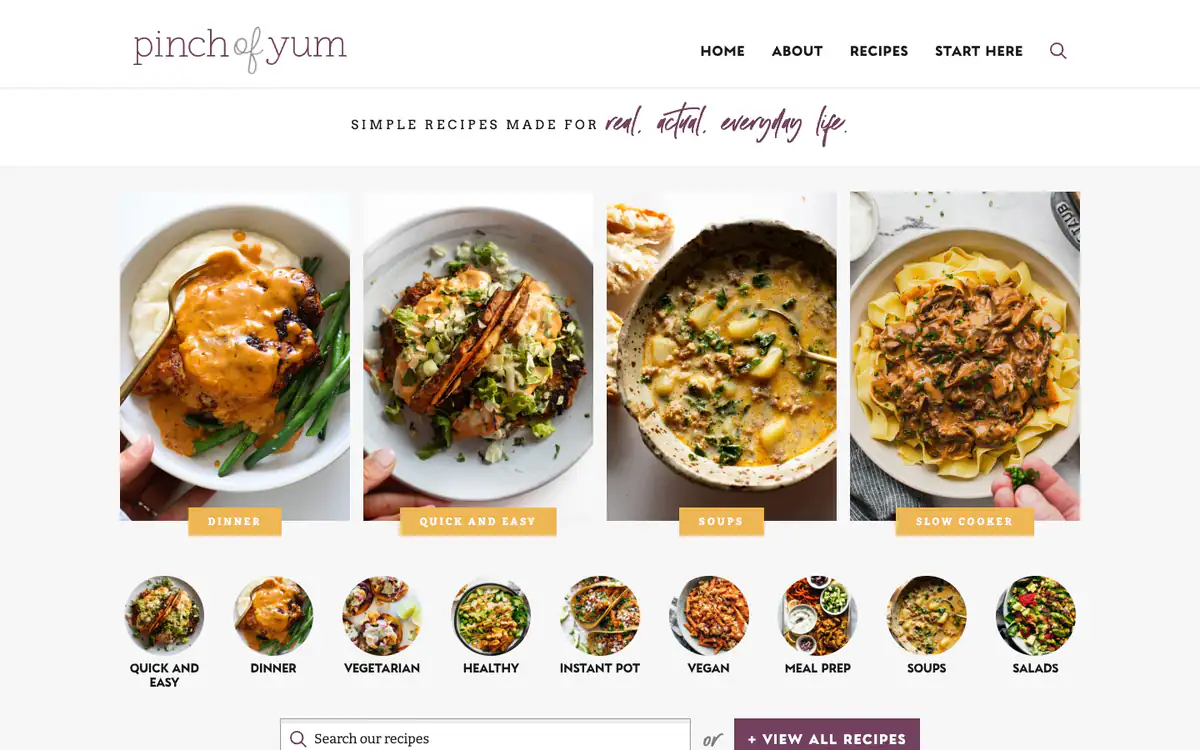
Simple everyday recipes, organized by meal type and cooking method.
The tagline mixes small caps with handwritten script (“real, actual, everyday life”), so the voice shows before any recipe does.
Every blog checked live on
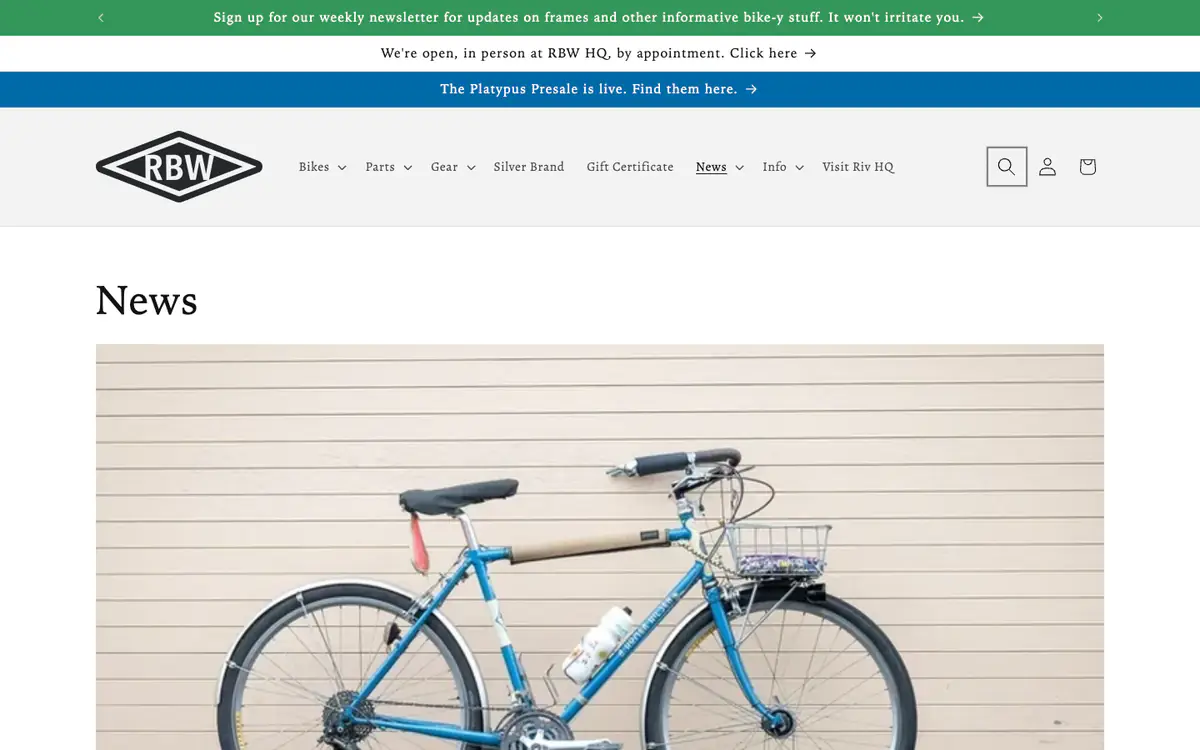
A gallery of live blogs with screenshots, from food and travel to SaaS, nonprofits and student blogs. Filter by niche or platform, open any blog to see what it does well, then scroll down for blog post examples and the anatomy of a good blog.
The gallery
Filter by niche or platform, search for a feature, or let the dice pick one. Open any blog to see a larger screenshot and what it does well.
60 blogs. Click any screenshot to see what it does well.
Food
Business & SaaS
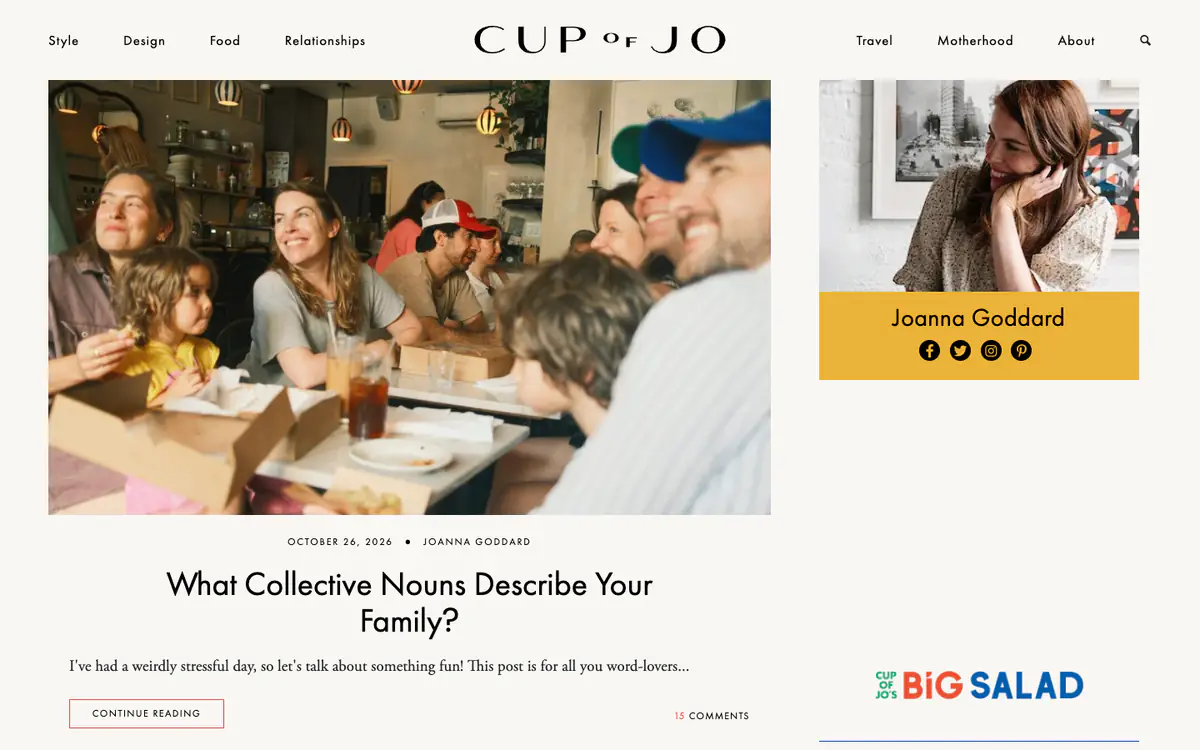
Personal & lifestyle
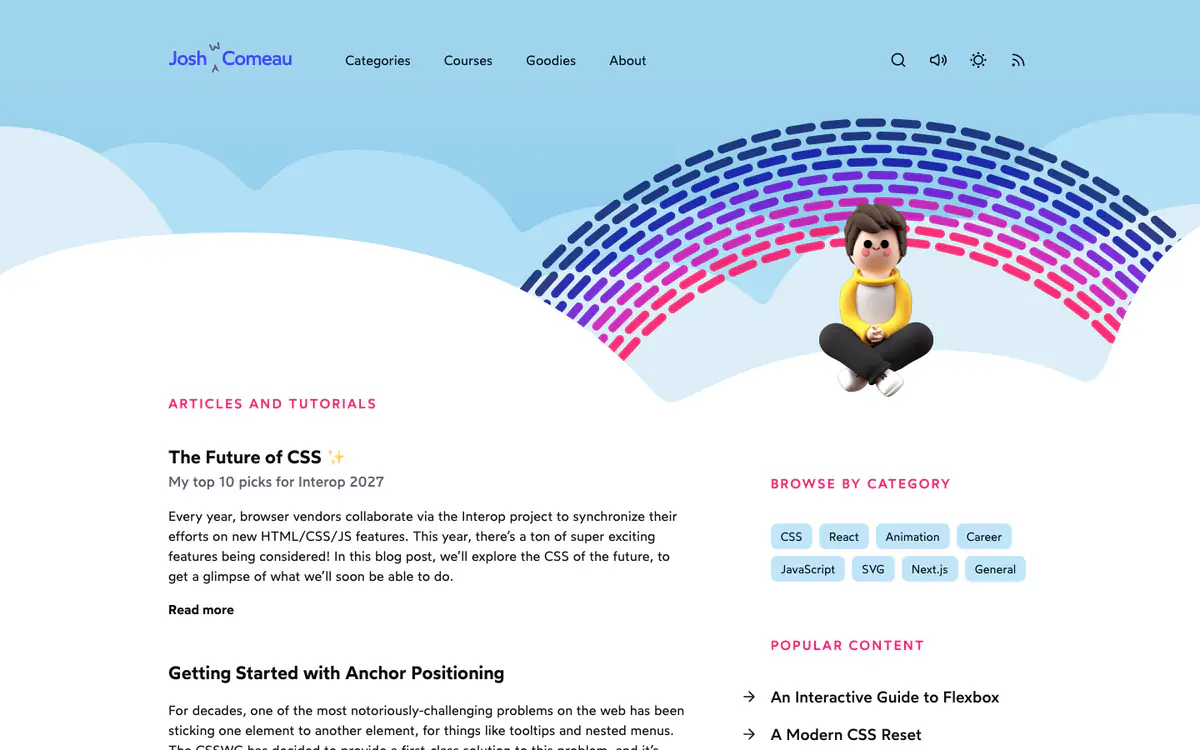
Tech & developer
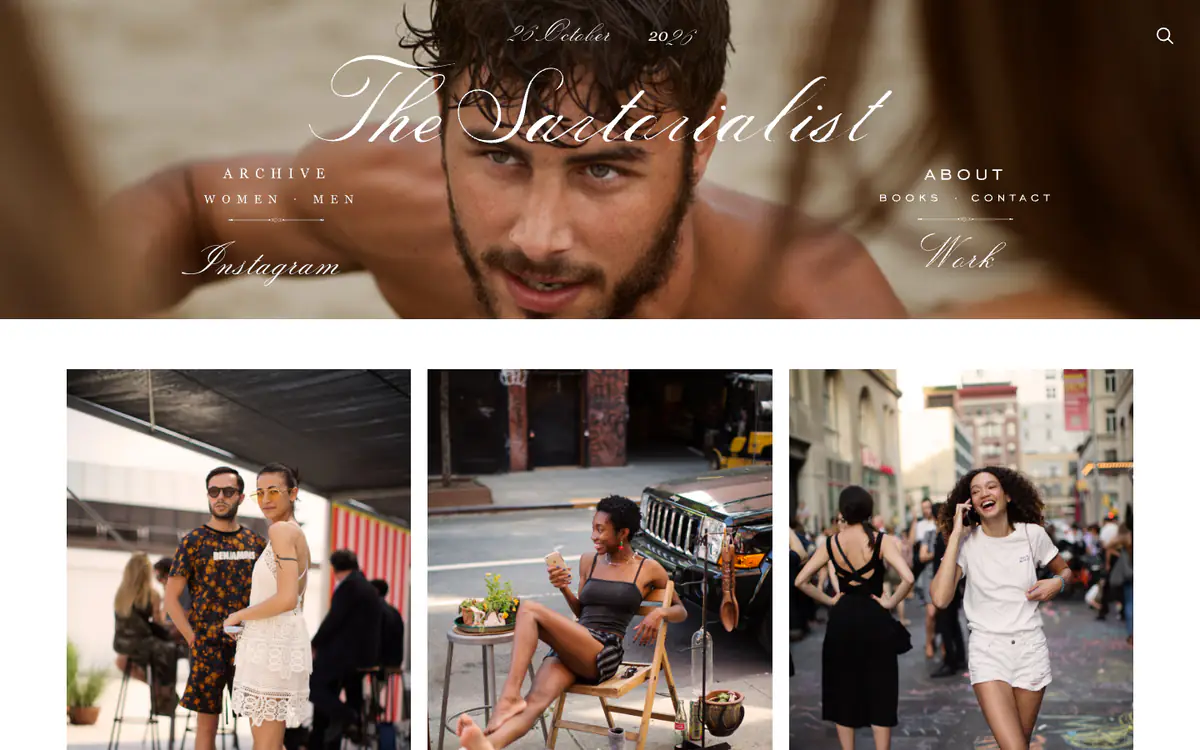
Fashion & beauty
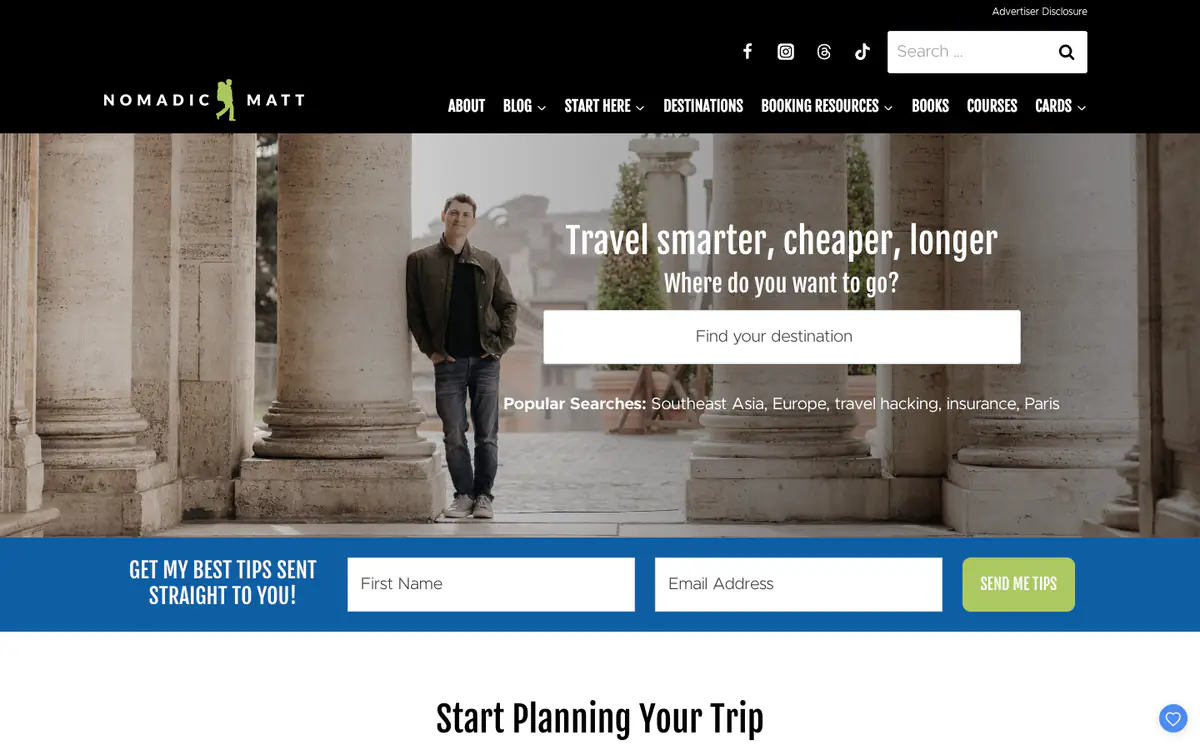
Travel
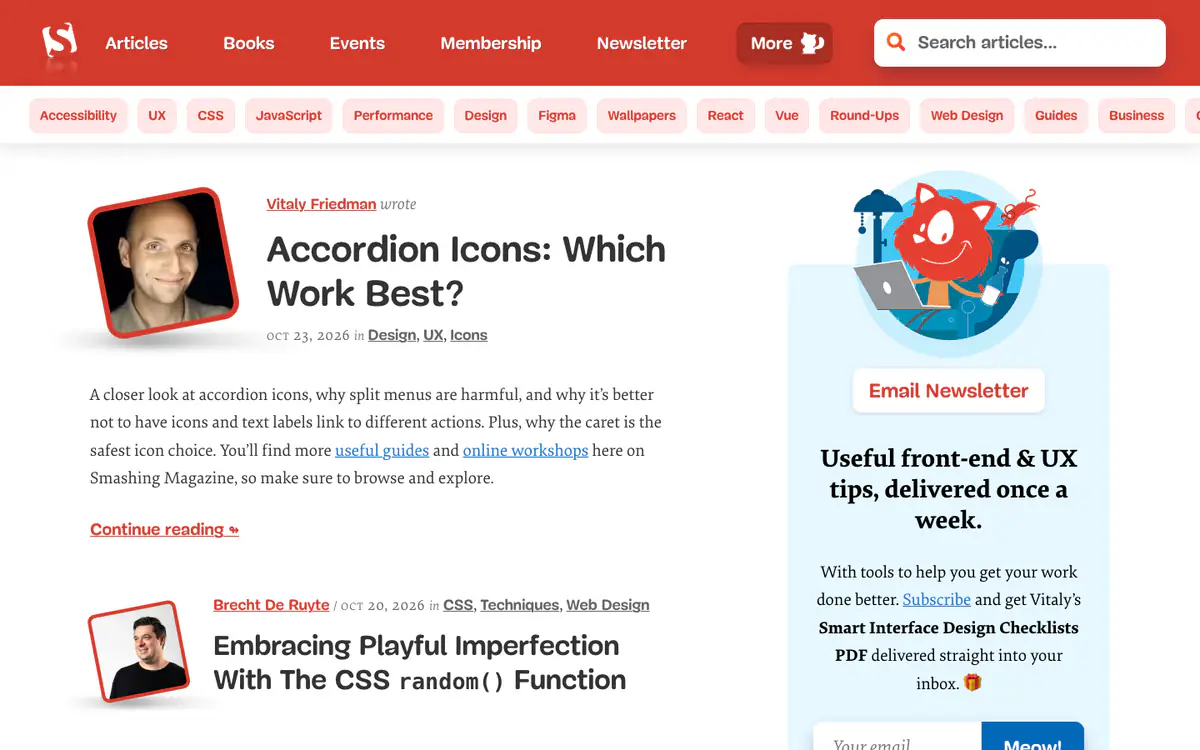
Design

Newsletters
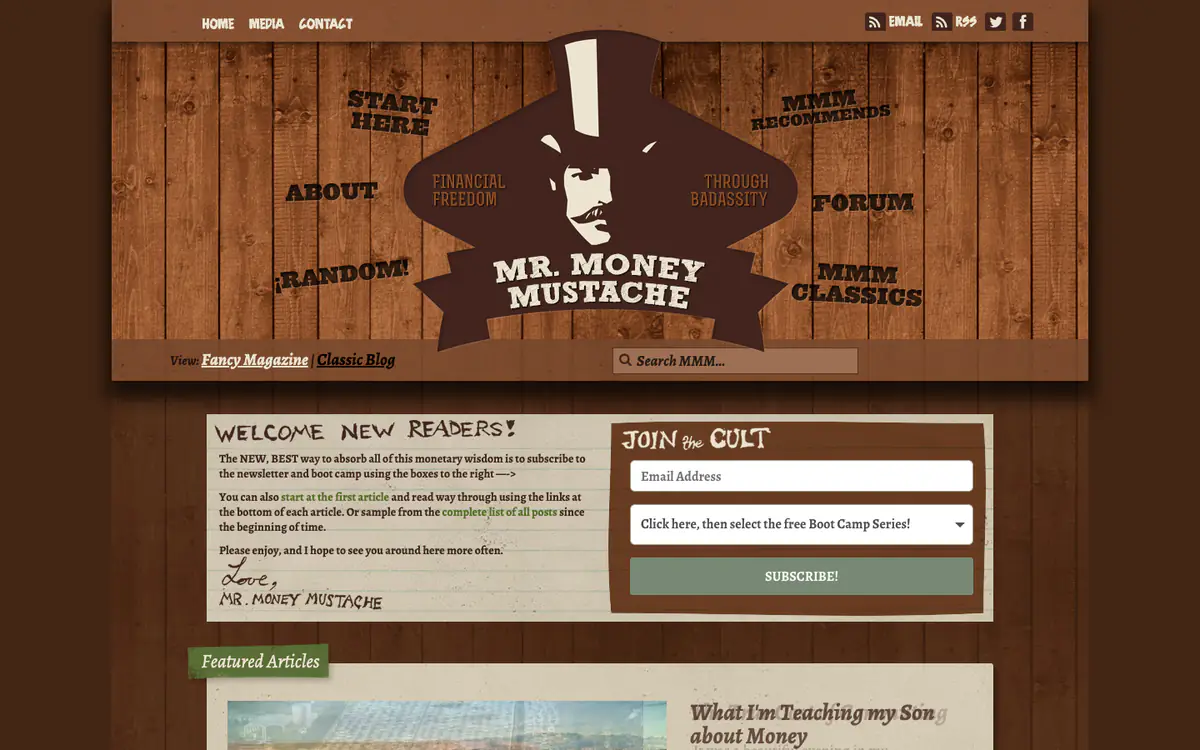
Personal finance
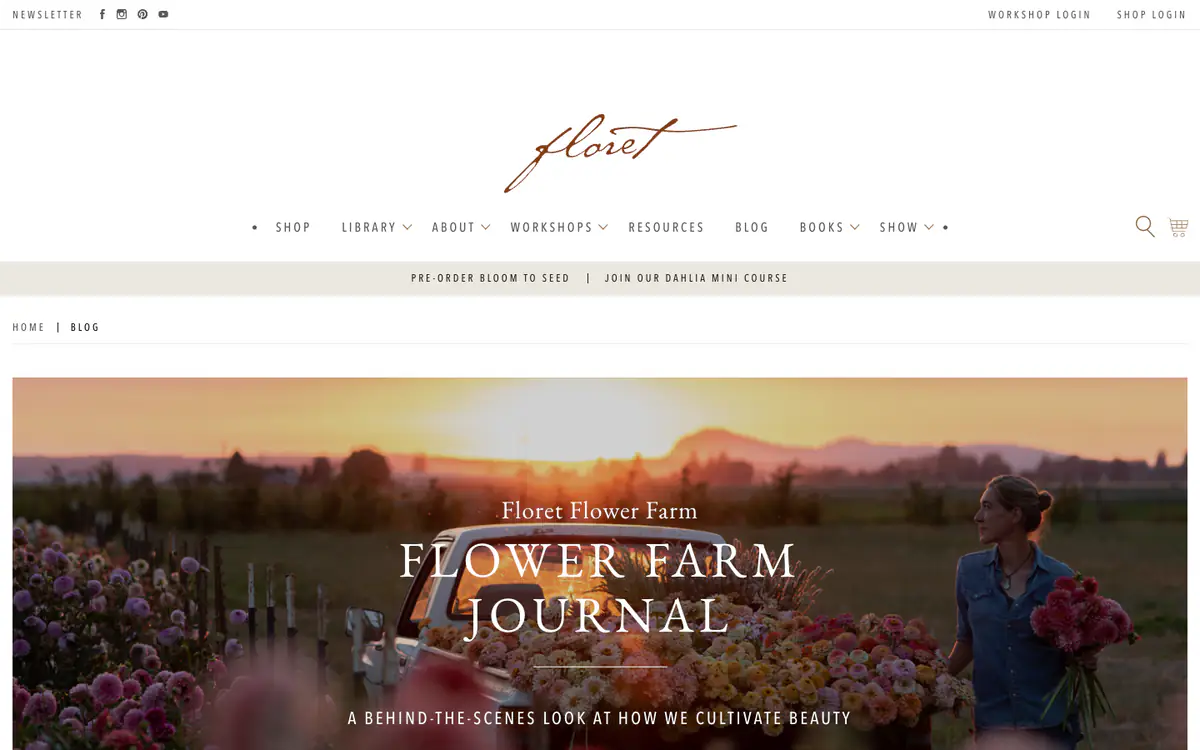
Small business
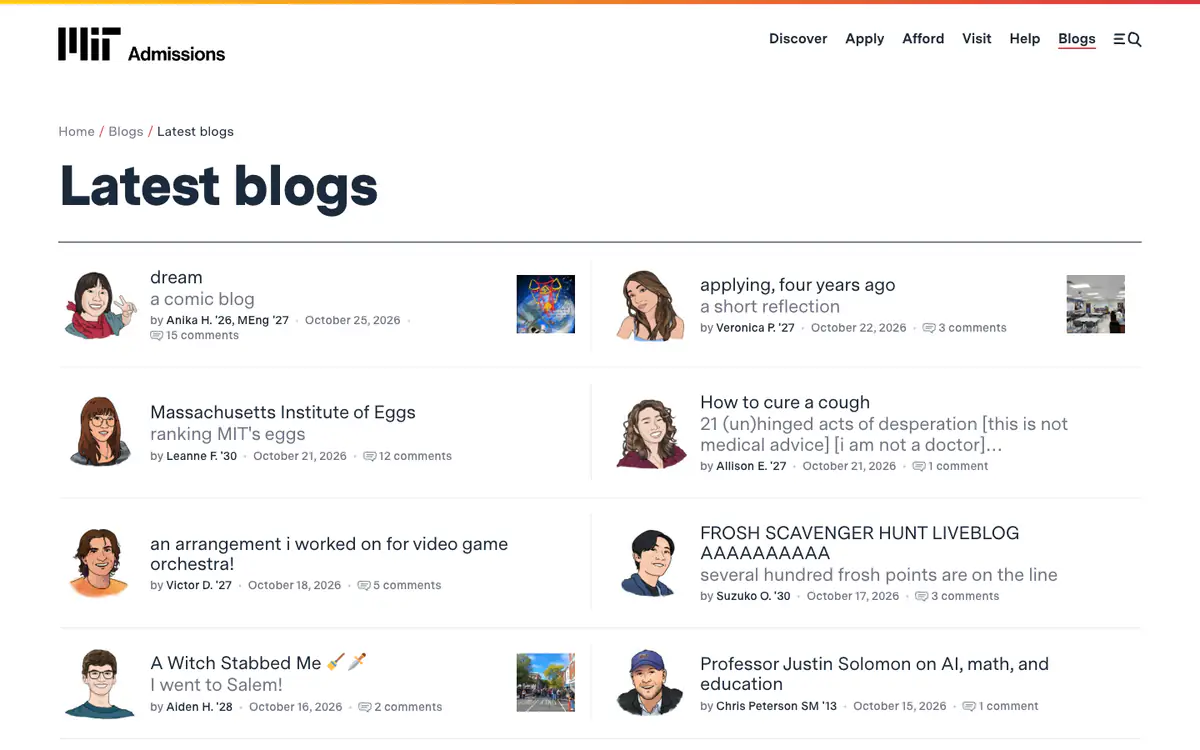
Student & academic
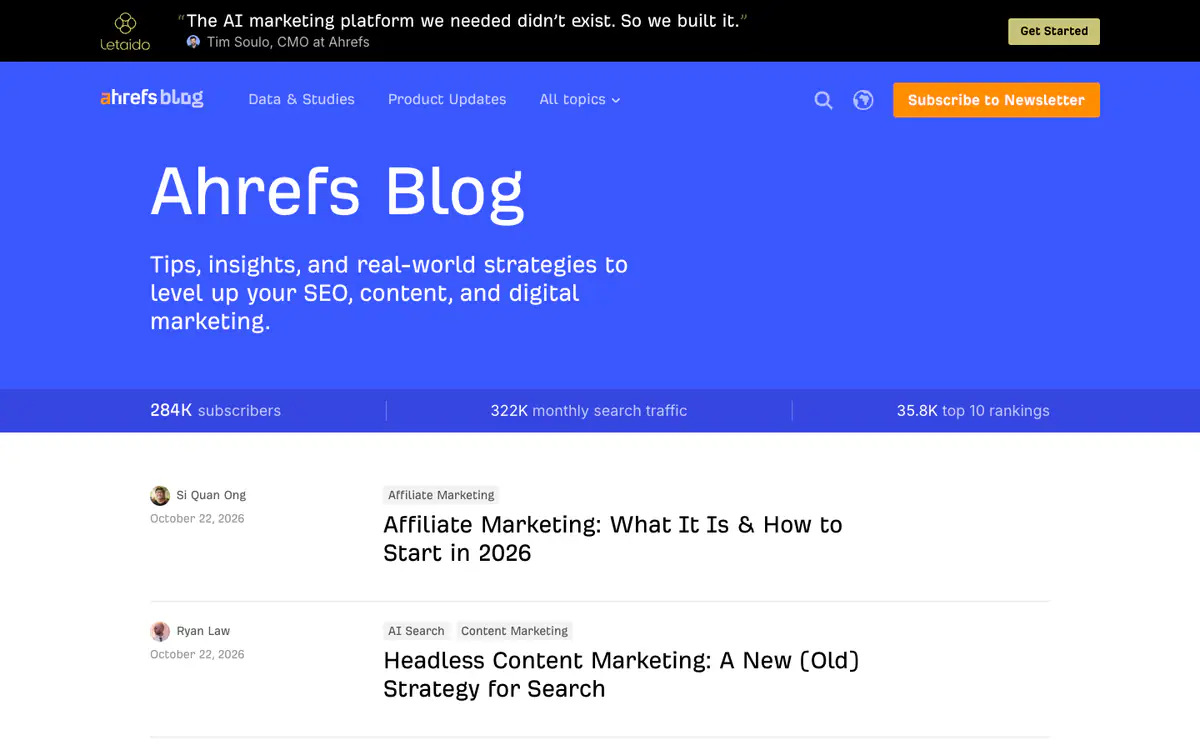
Business & SaaS
Outrank Blogs
Pick a template, add your logo and colors, and publish on your own domain. Free, no credit card.
Start a blog like this, free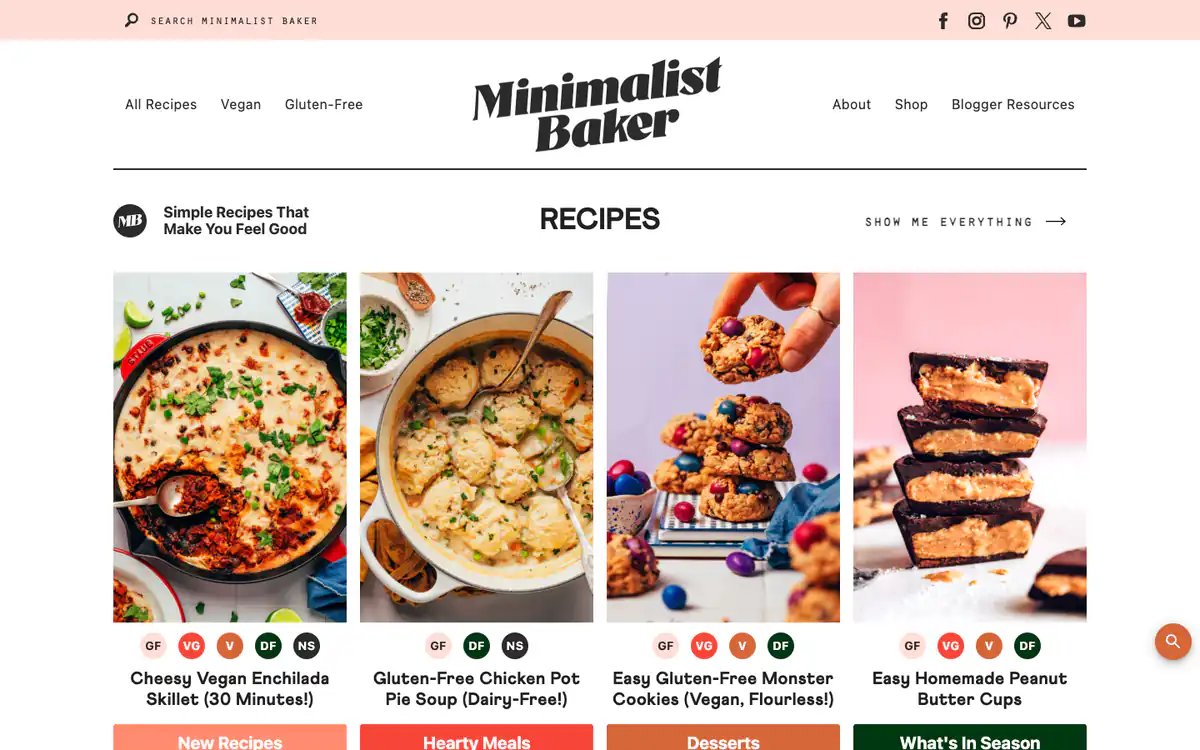
Food
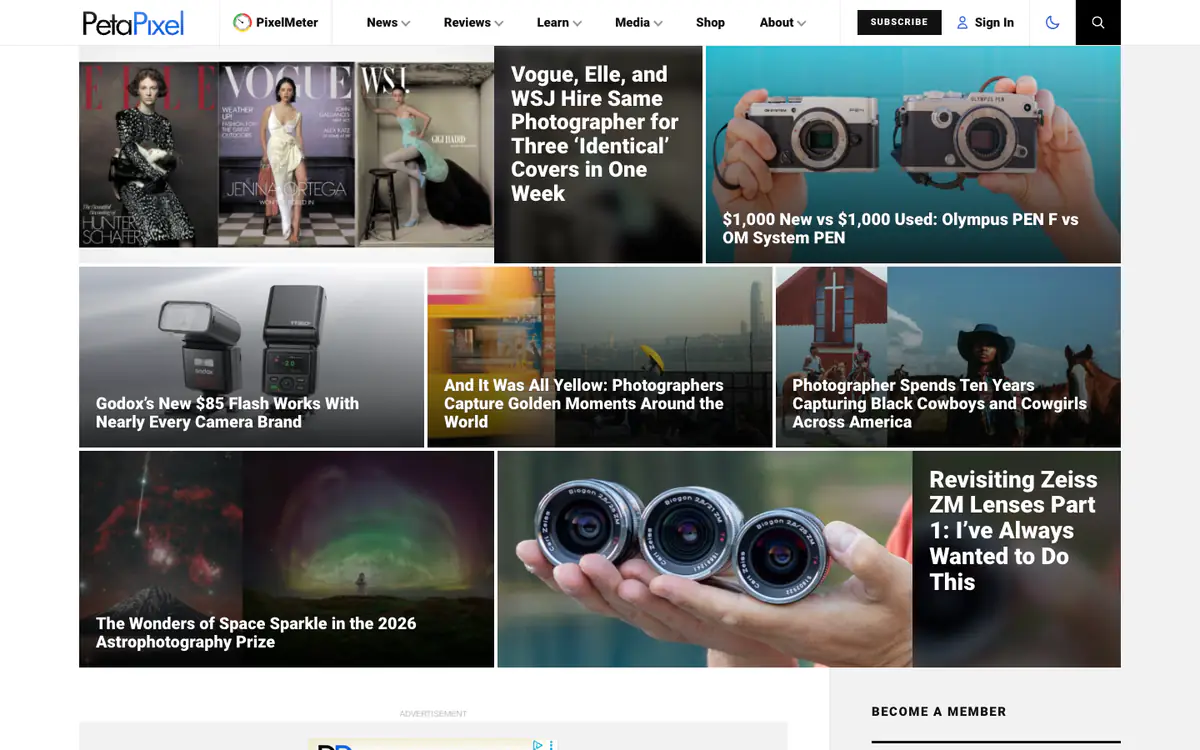
Photography
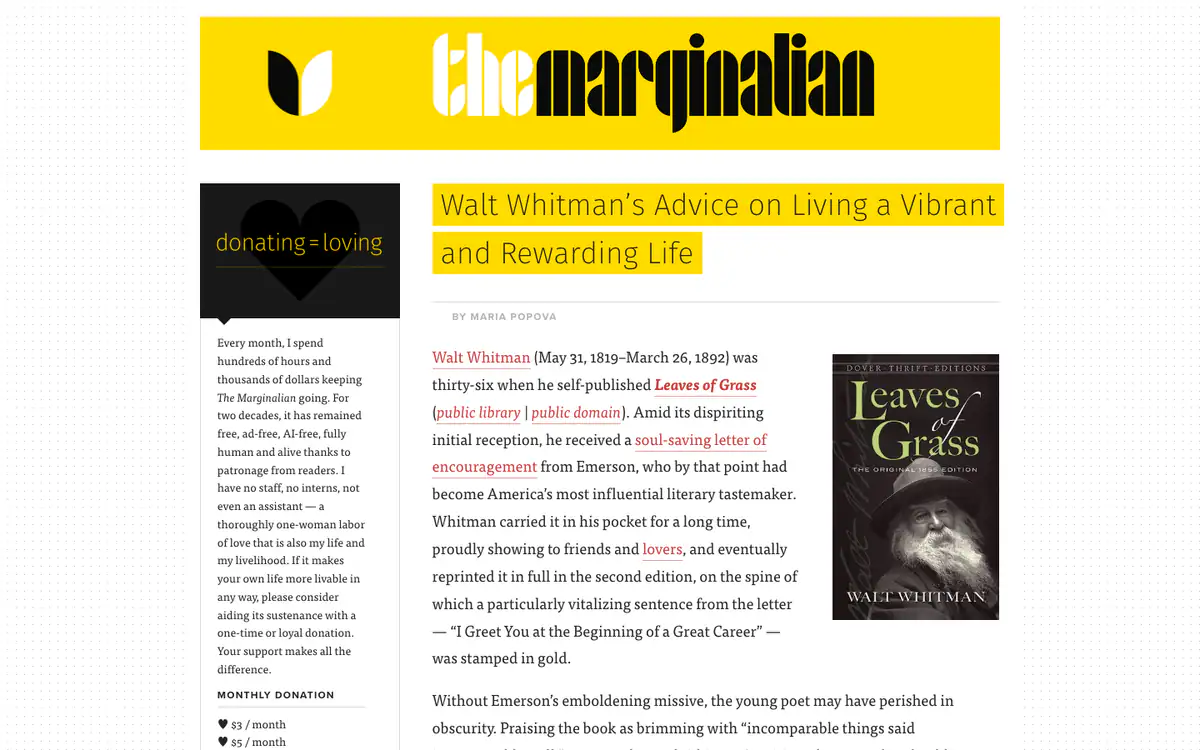
Personal & lifestyle
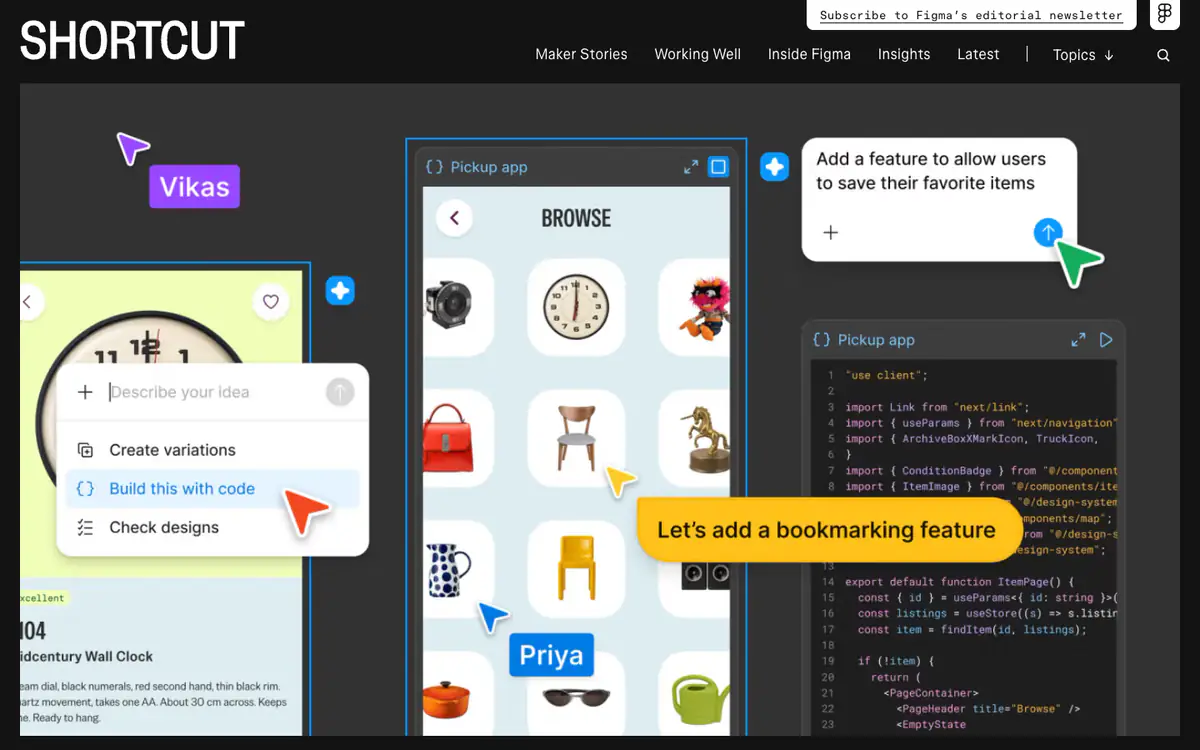
Design
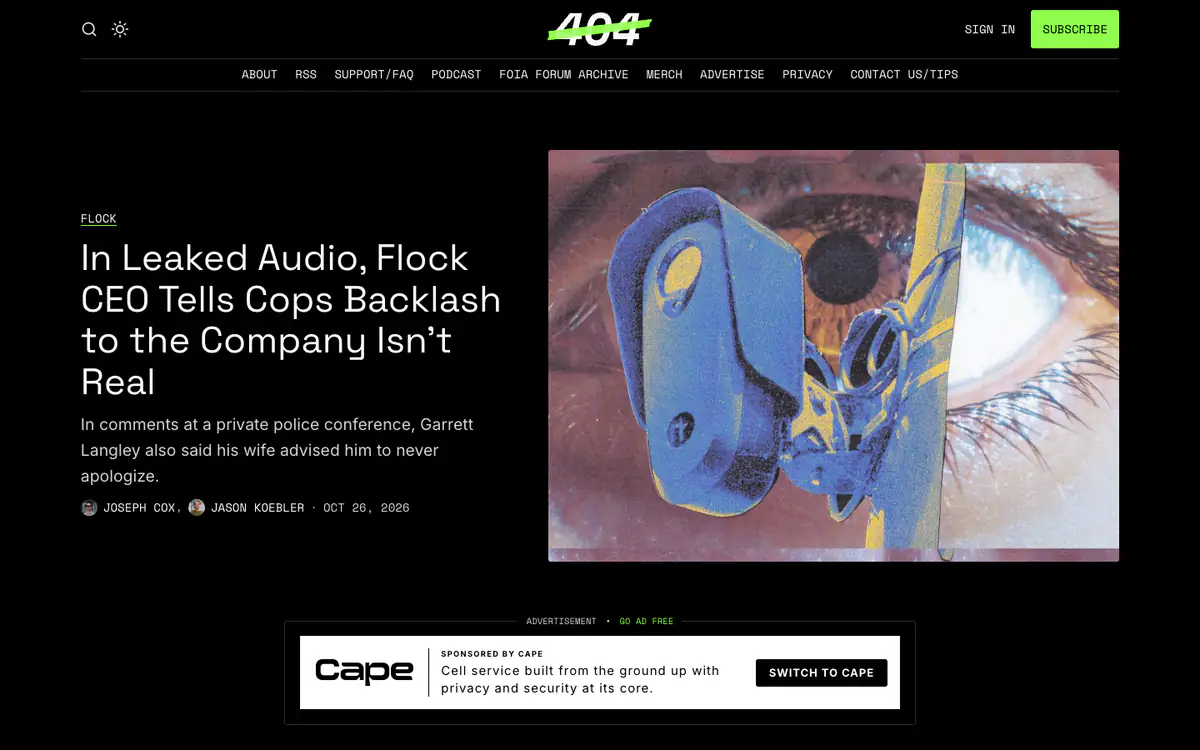
Newsletters
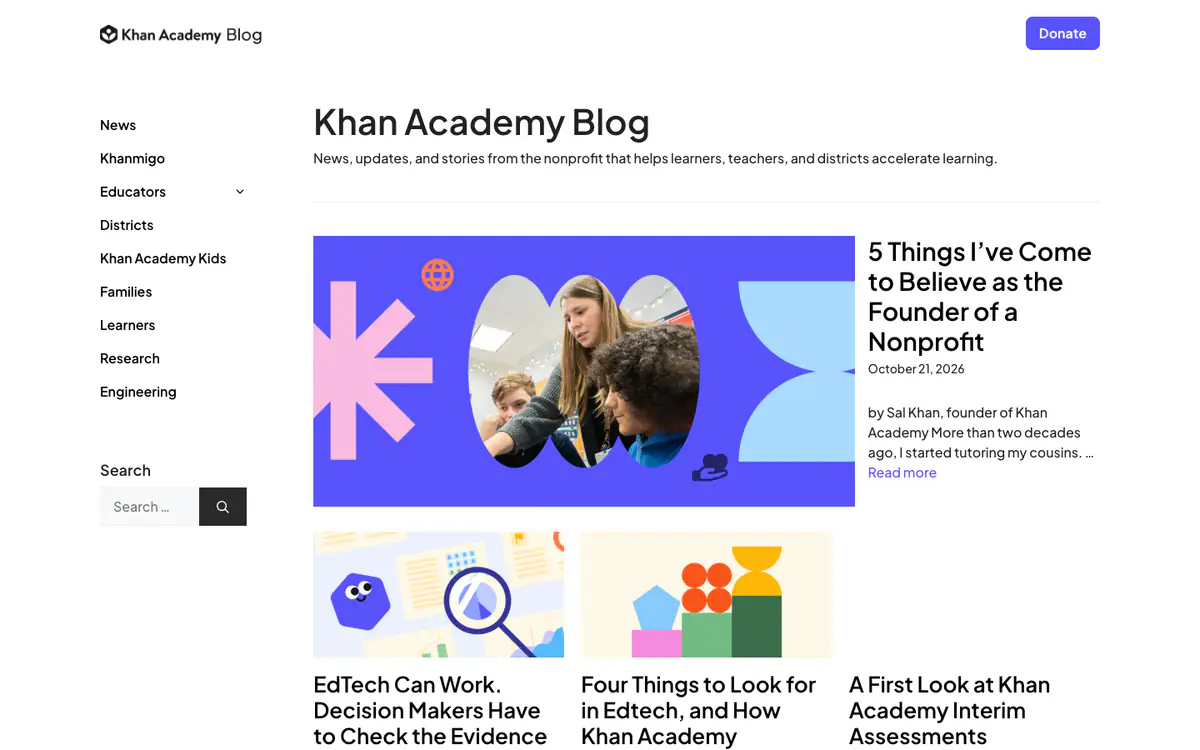
Nonprofit
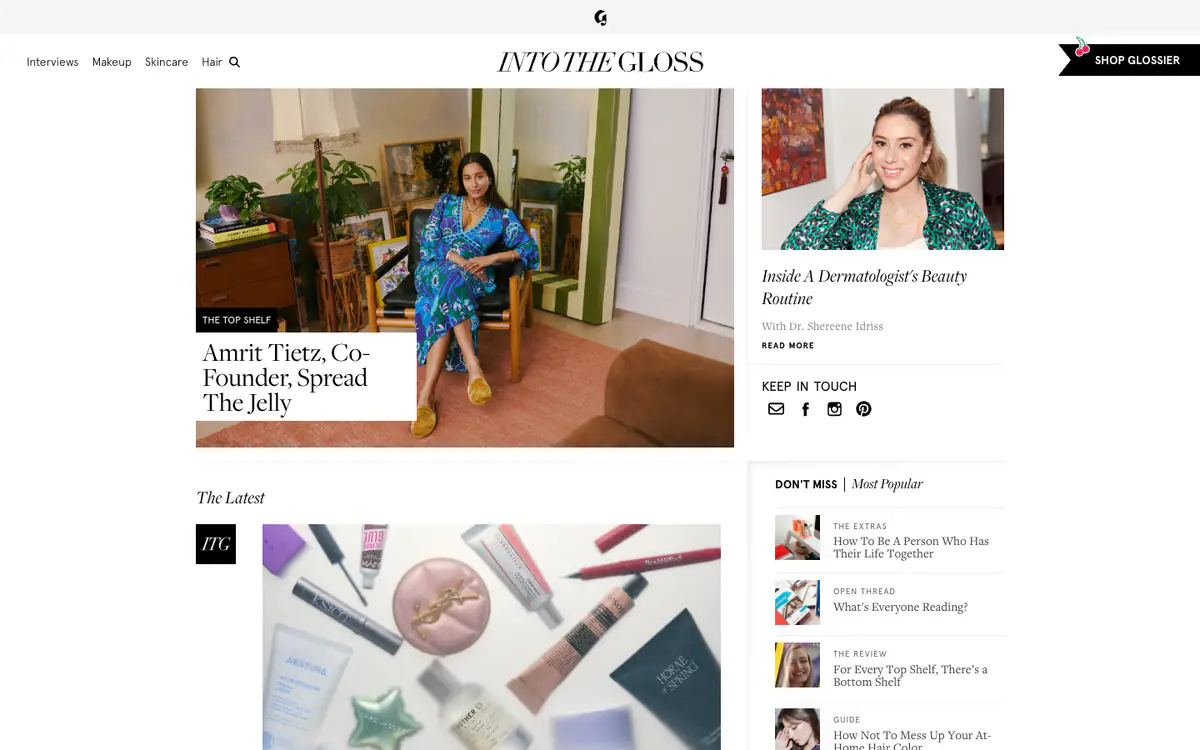
Fashion & beauty
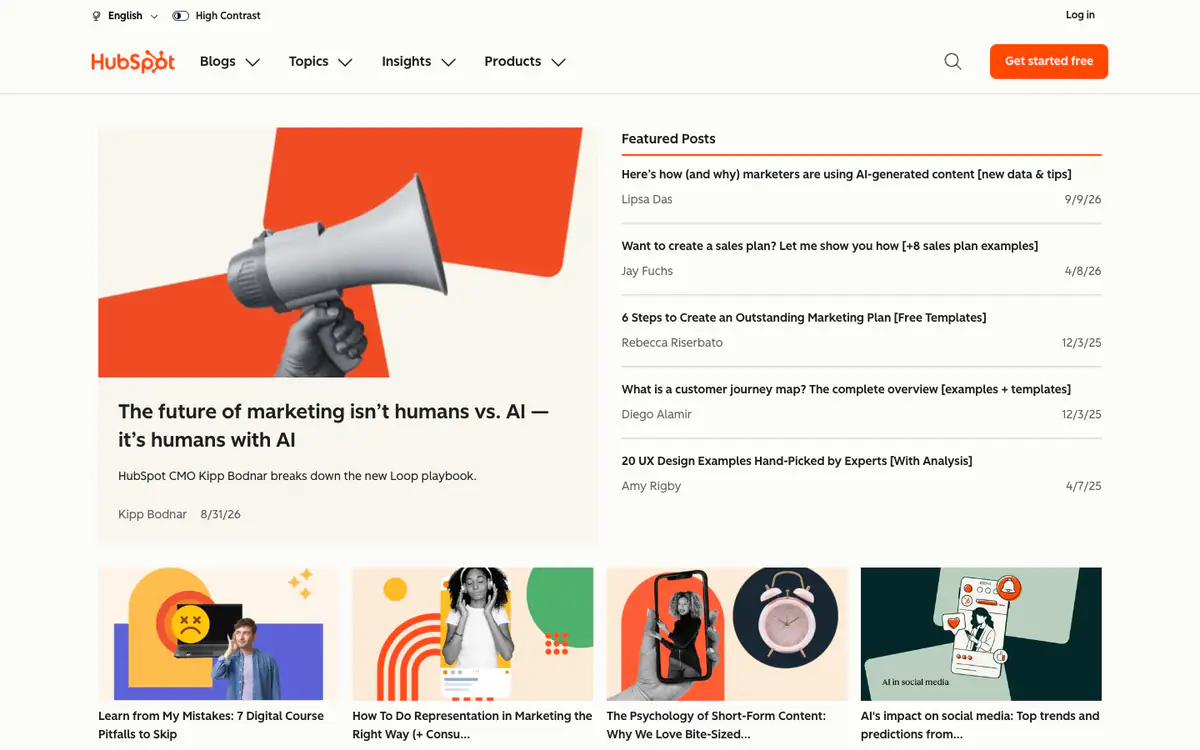
Business & SaaS
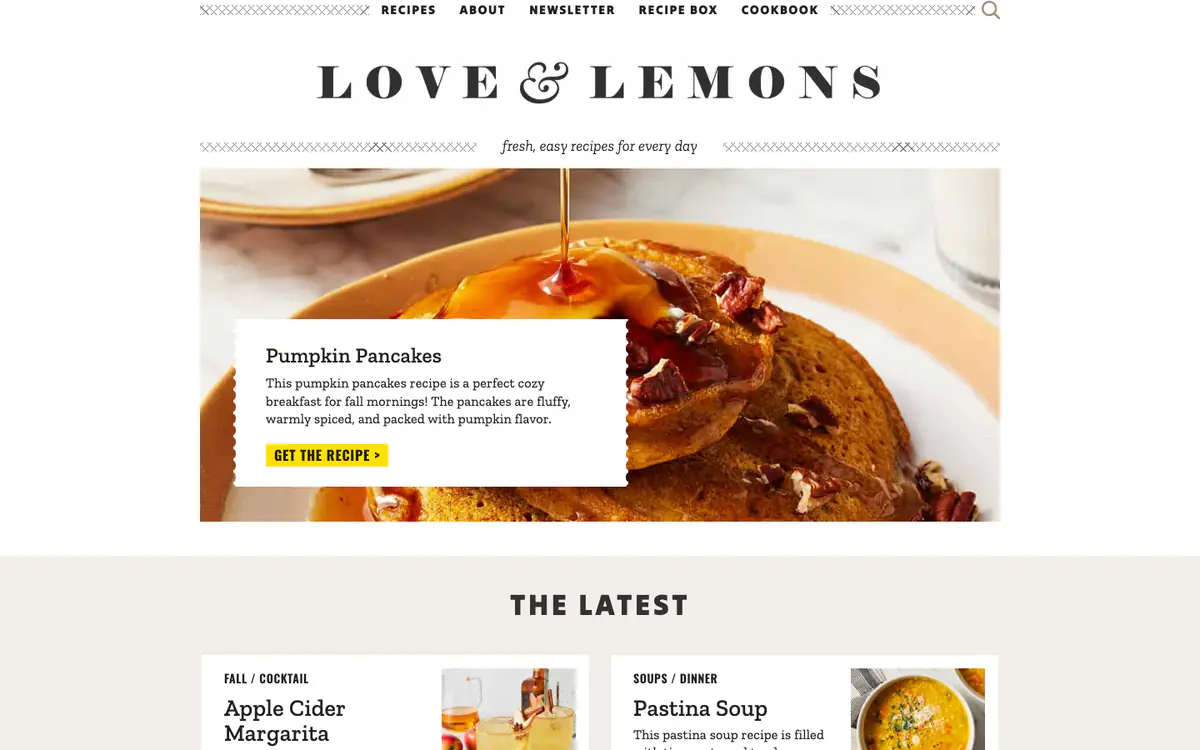
Food
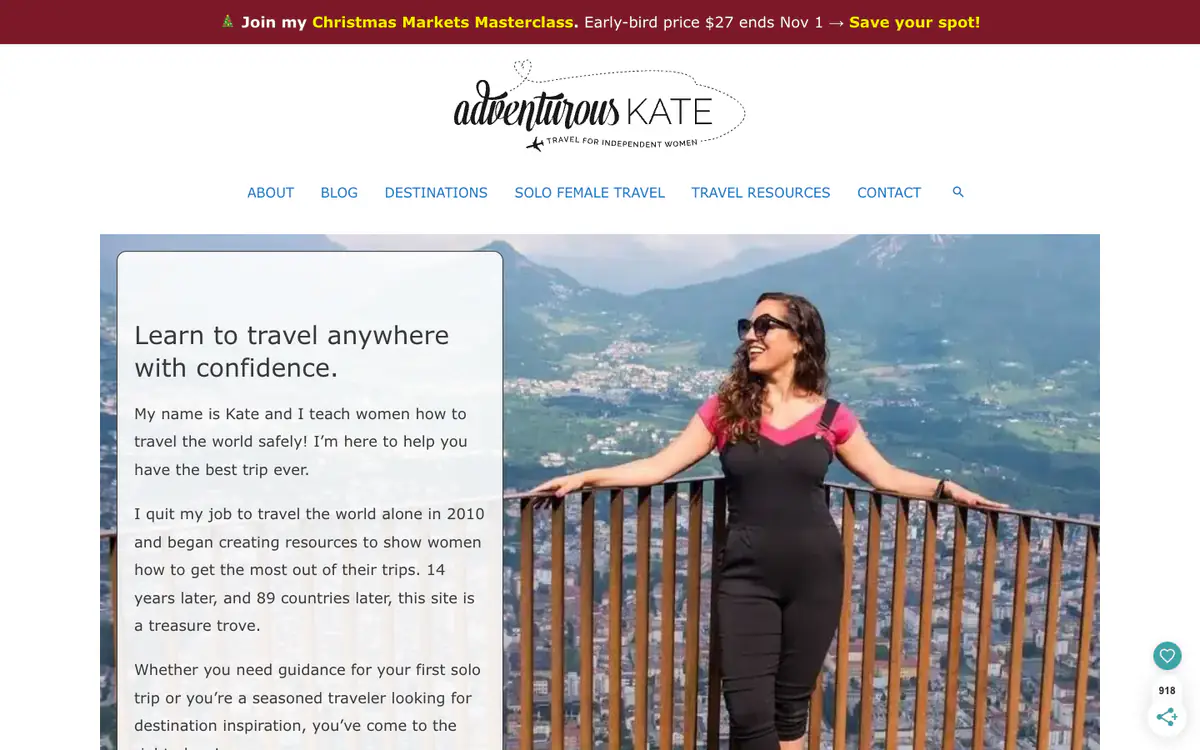
Travel
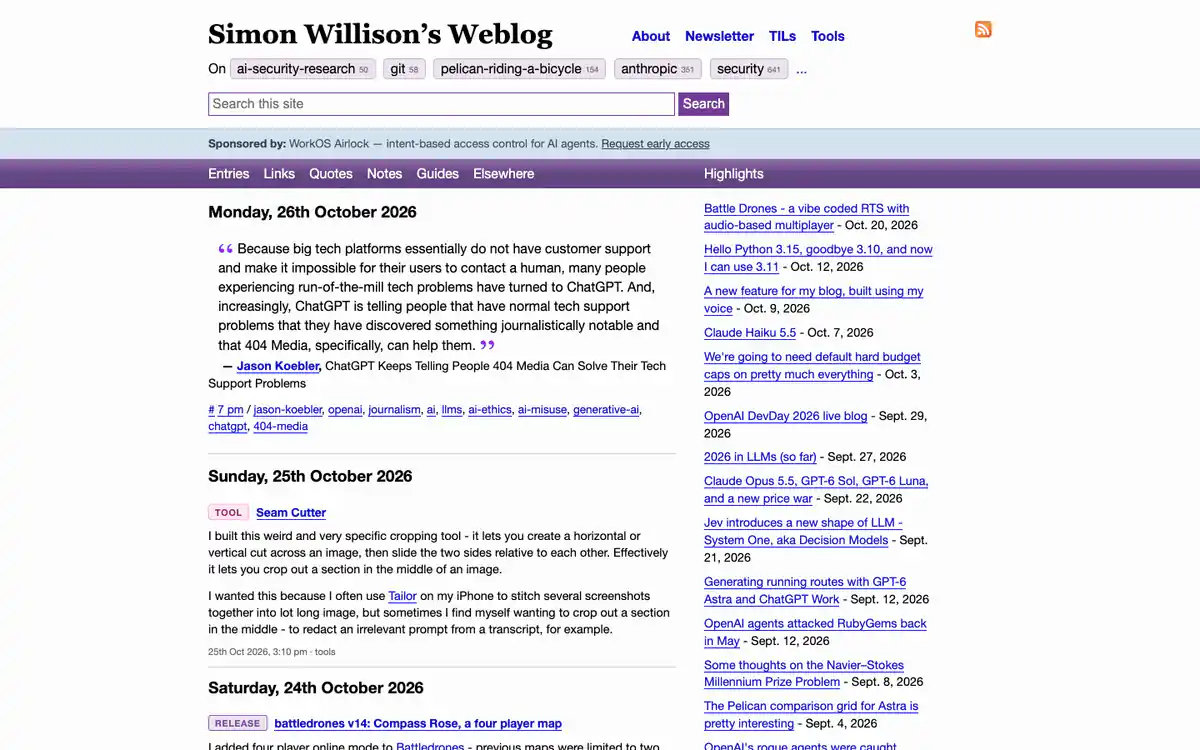
Tech & developer
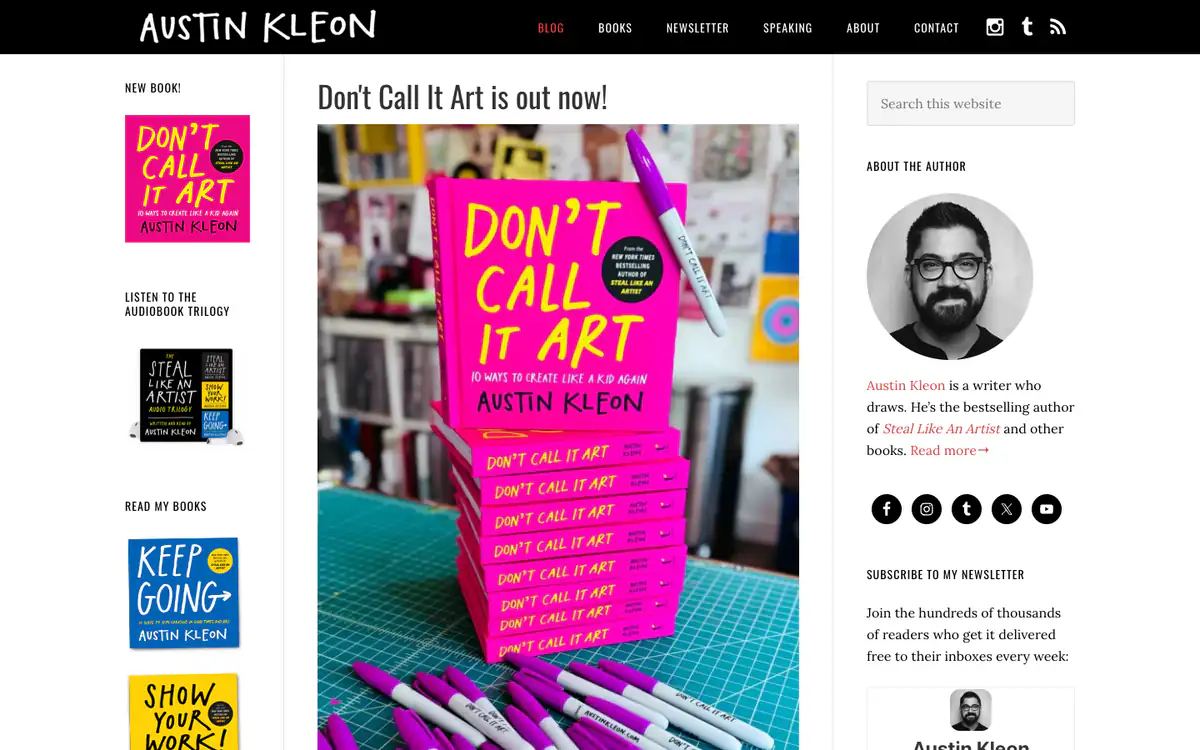
Personal & lifestyle
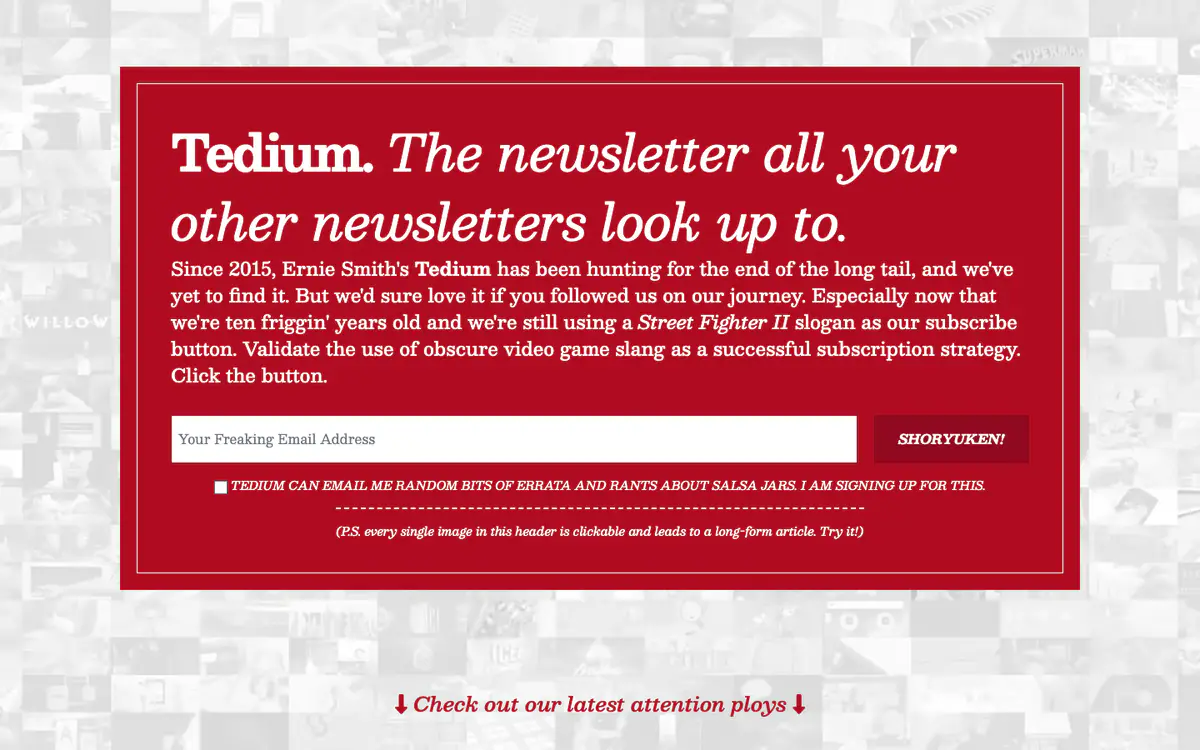
Newsletters
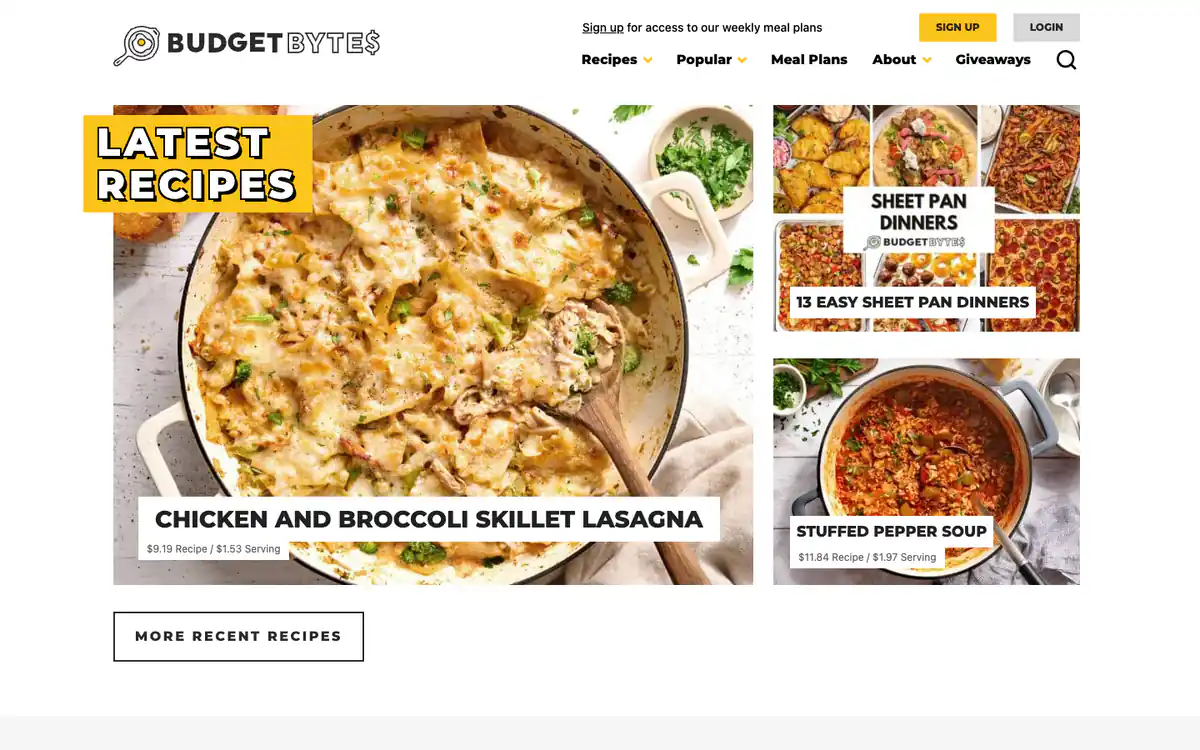
Food
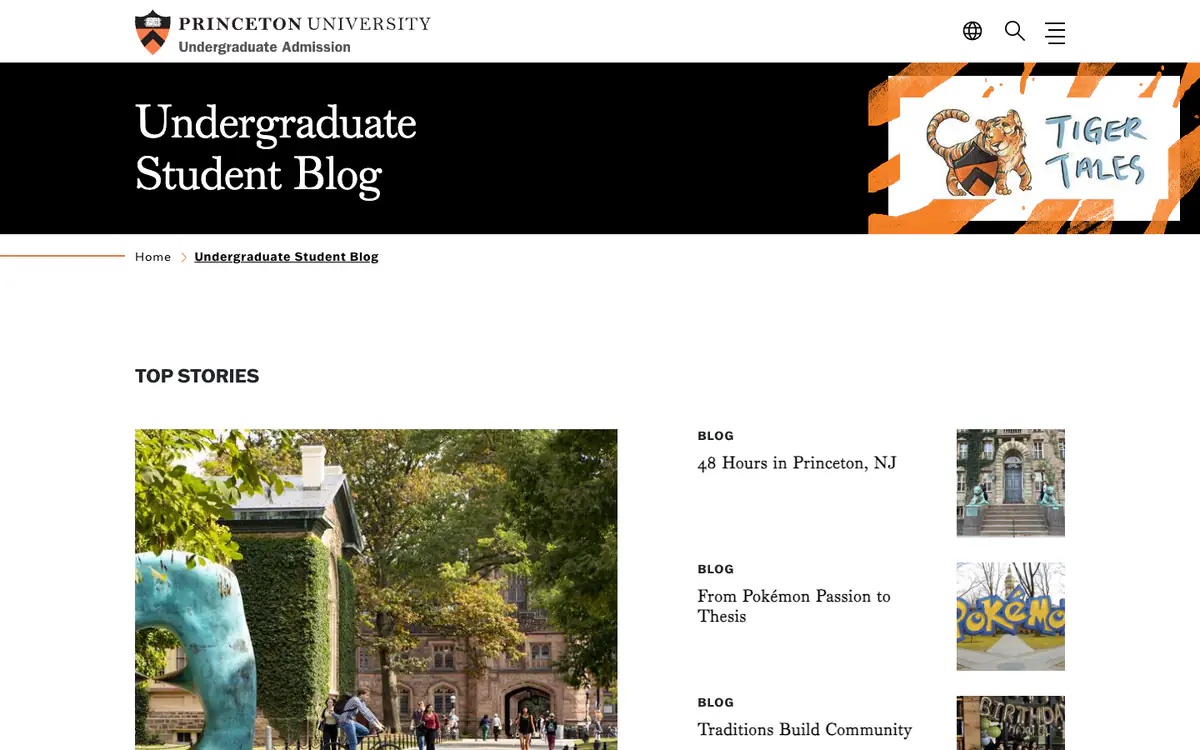
Student & academic
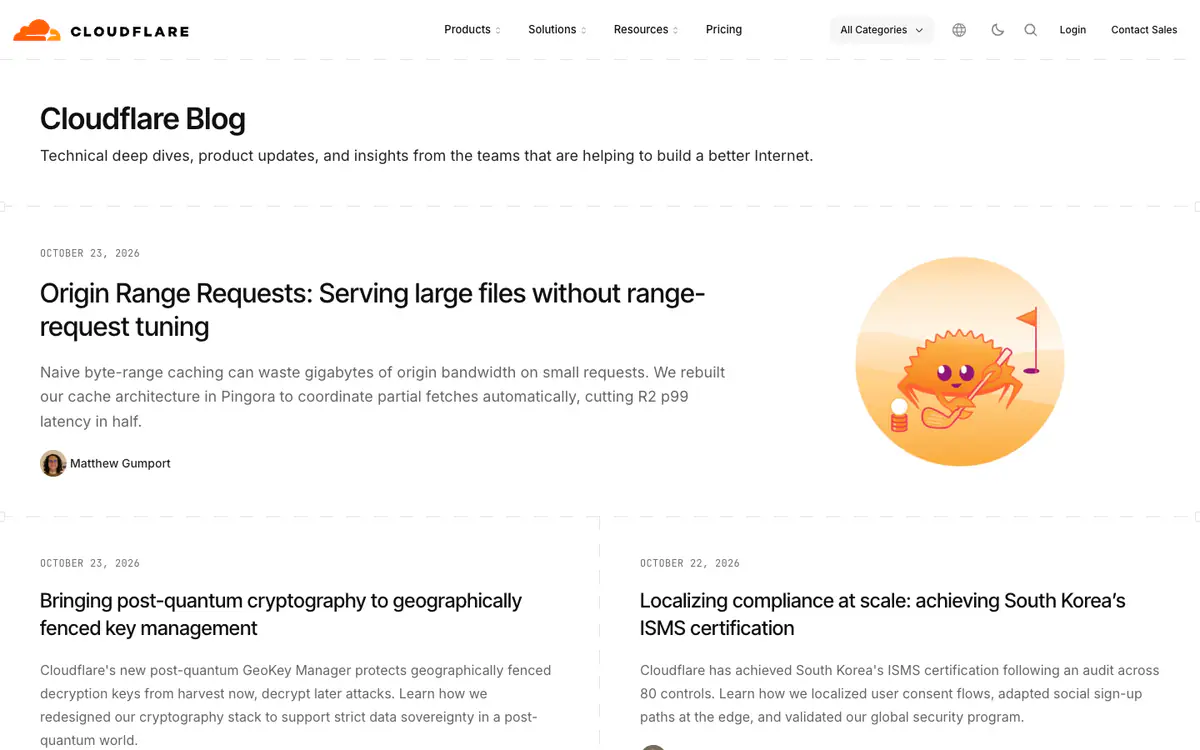
Tech & developer
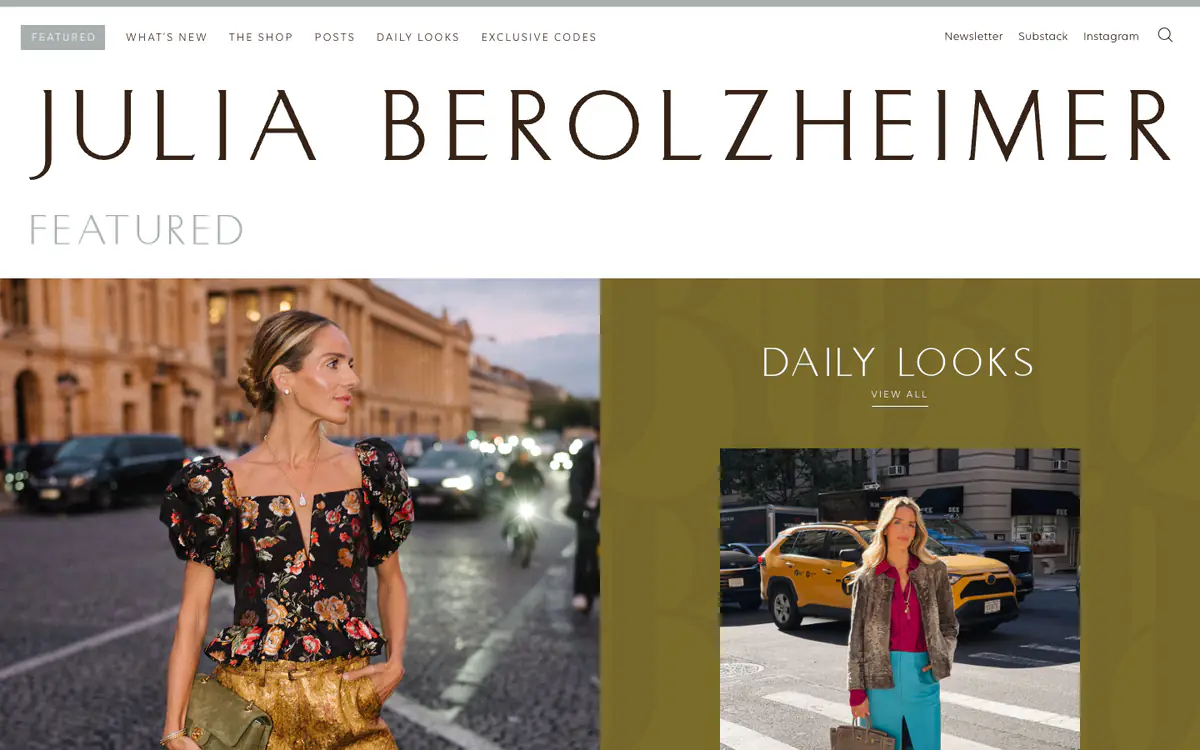
Fashion & beauty
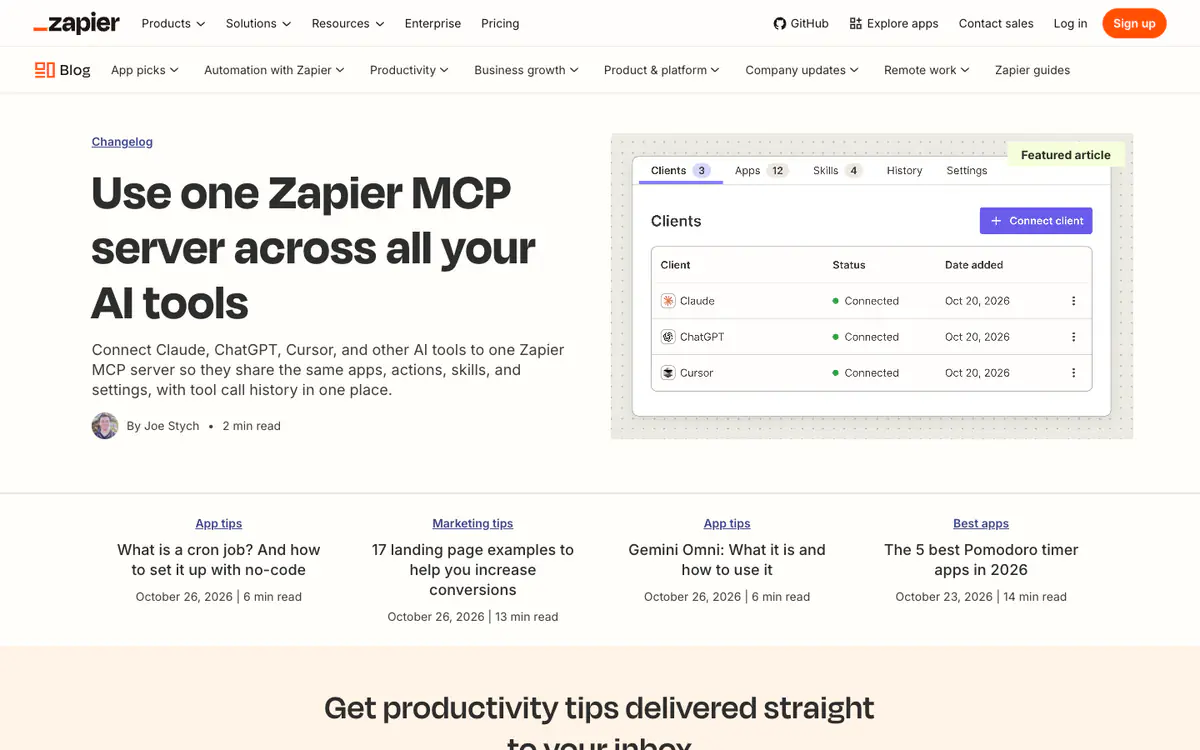
Business & SaaS
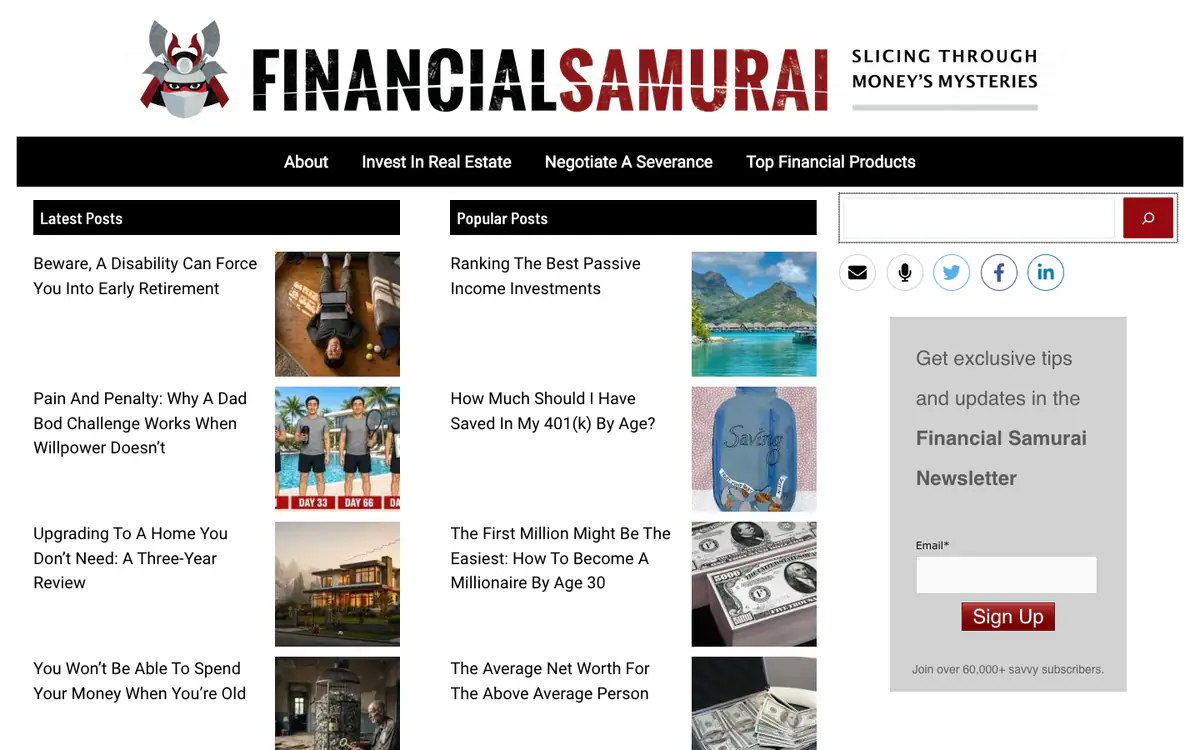
Personal finance
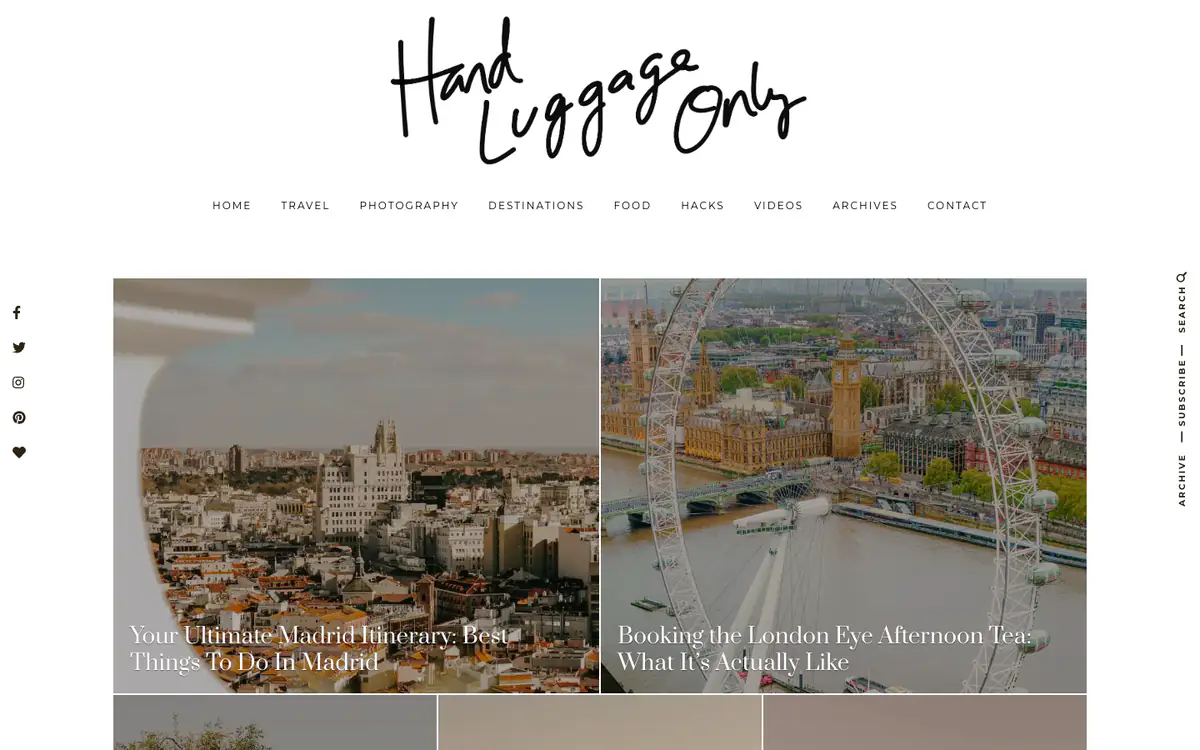
Travel
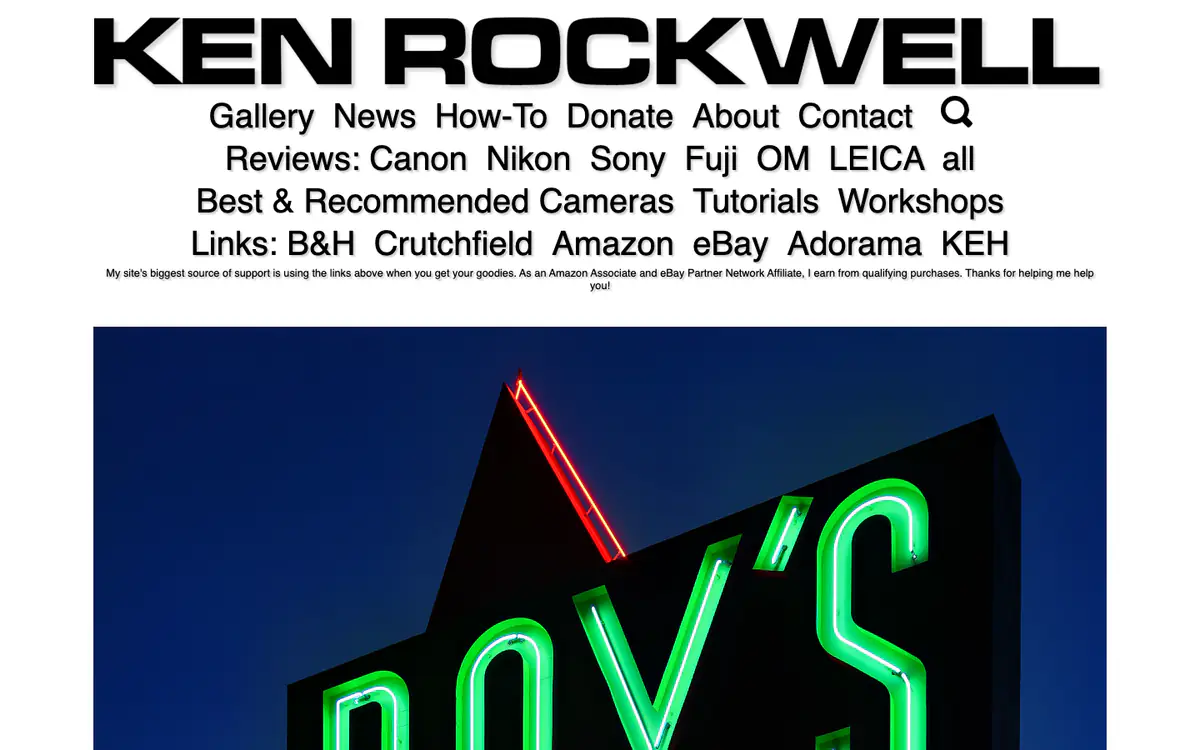
Photography
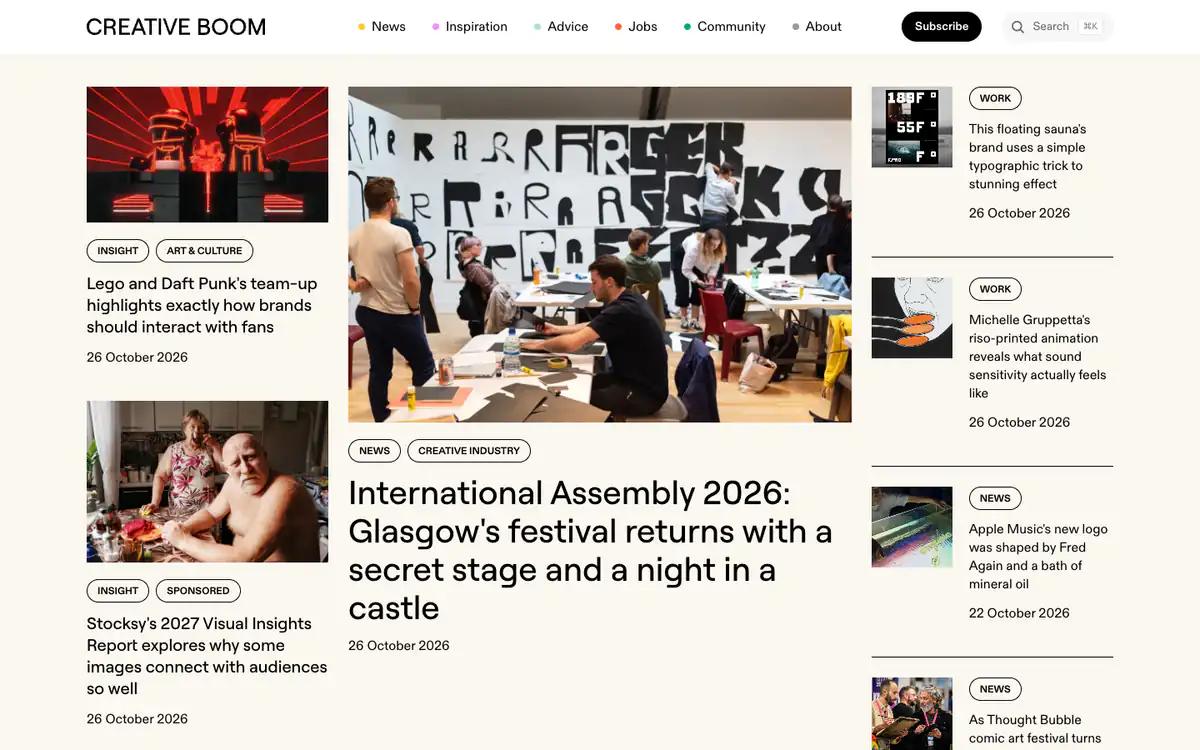
Design
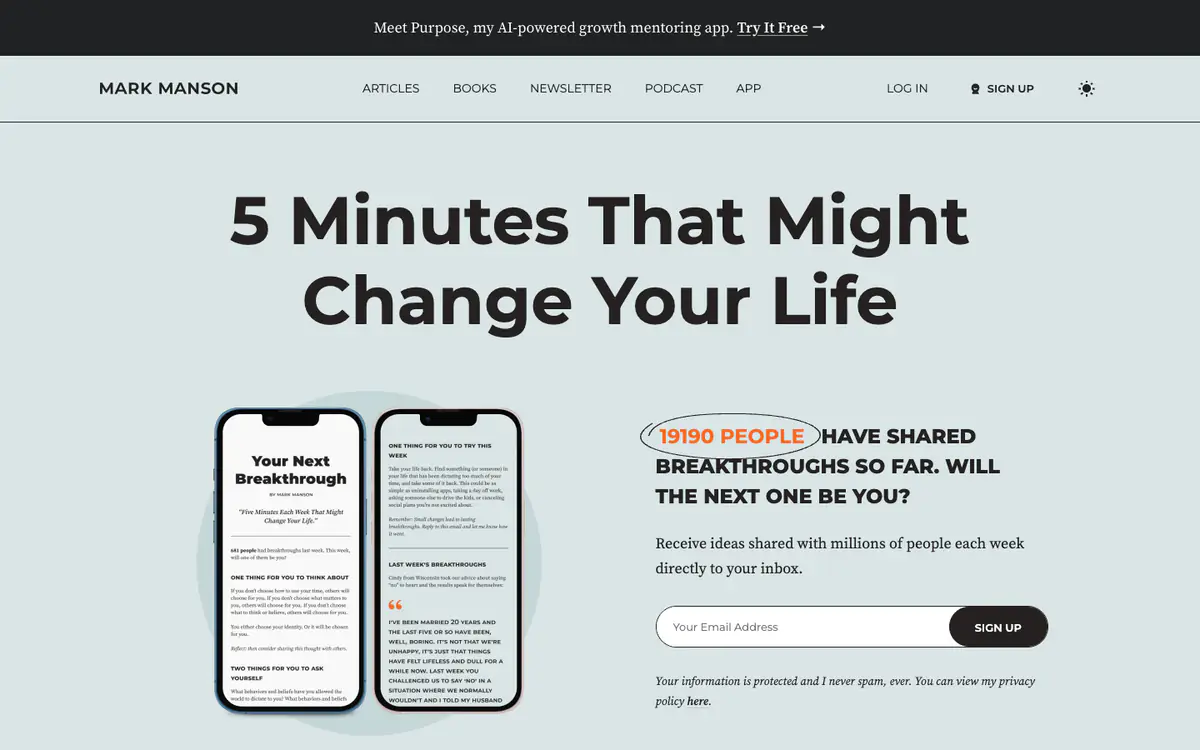
Personal & lifestyle
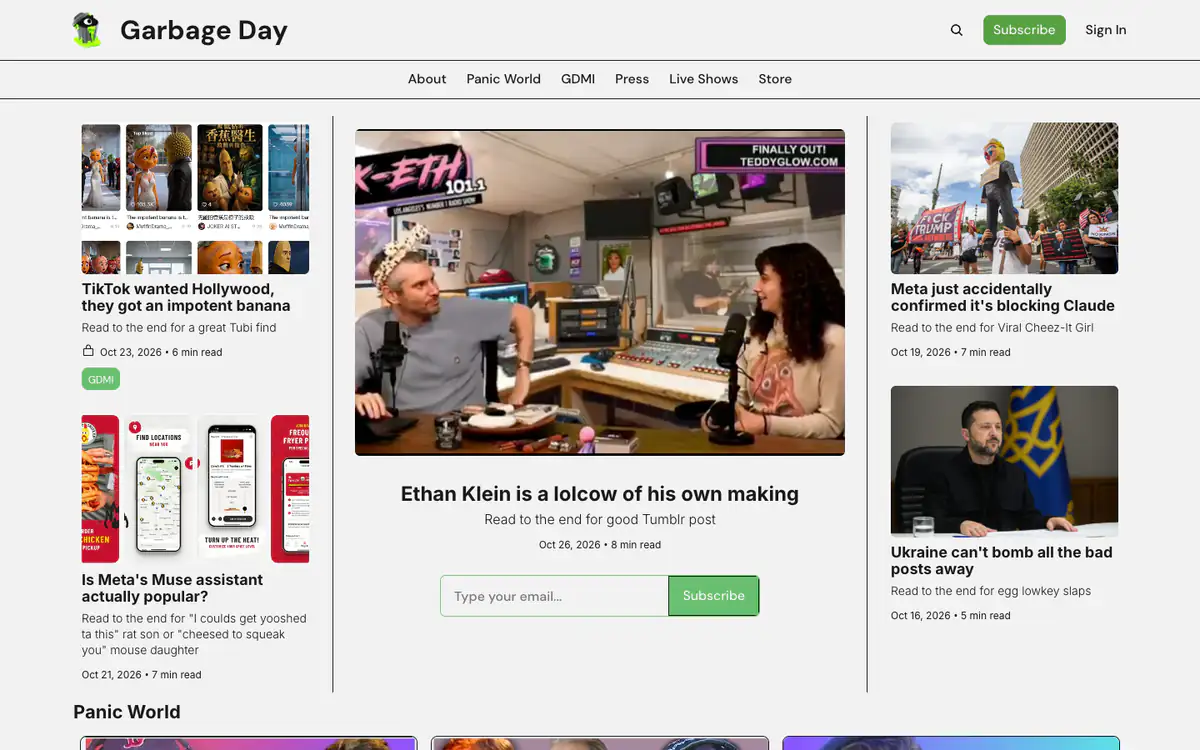
Newsletters
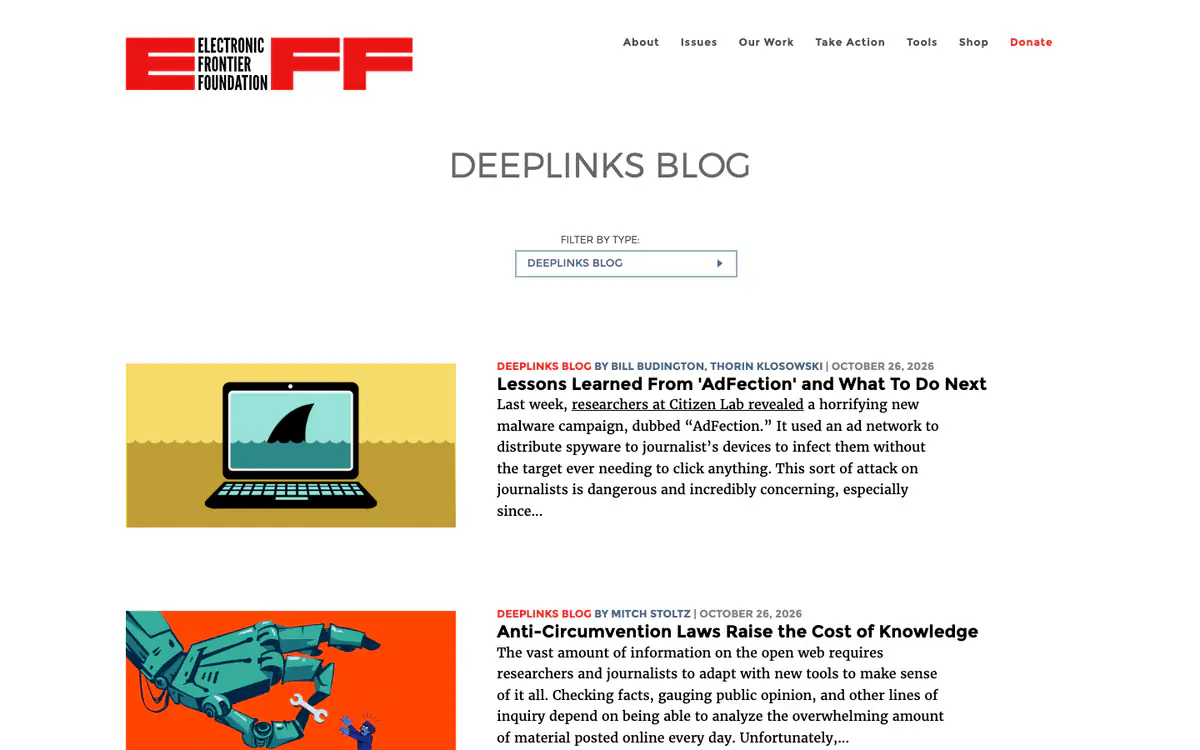
Nonprofit
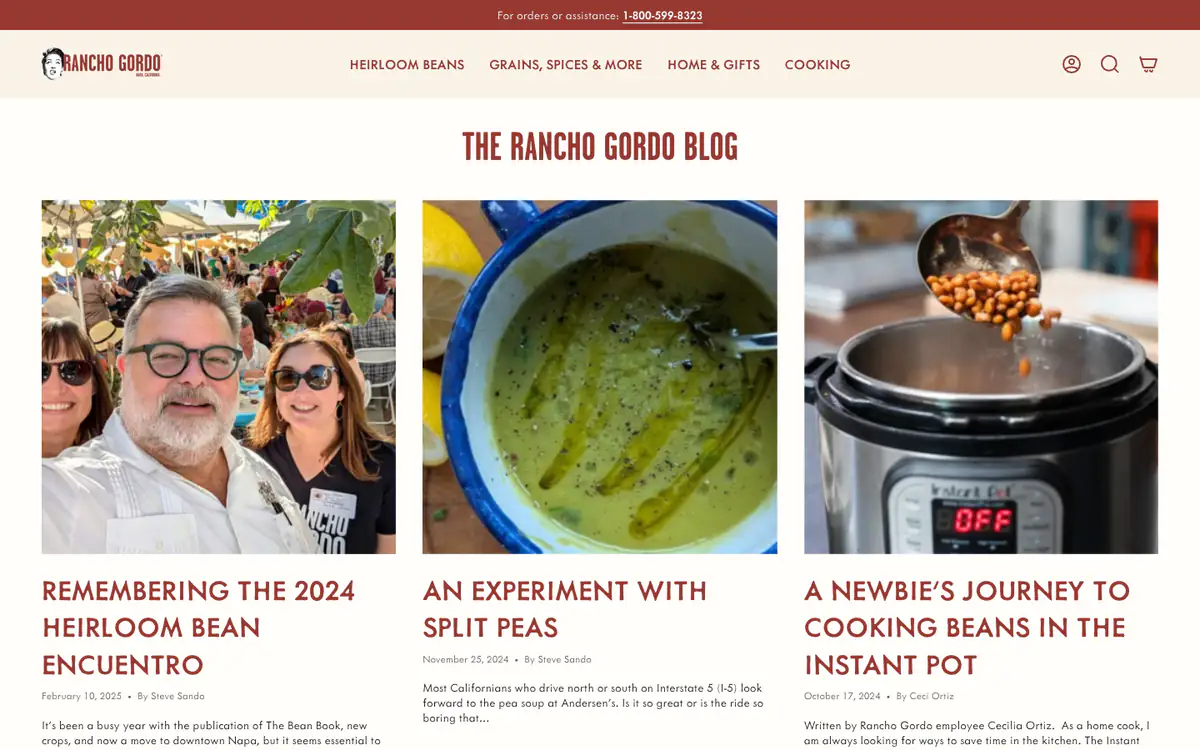
Small business
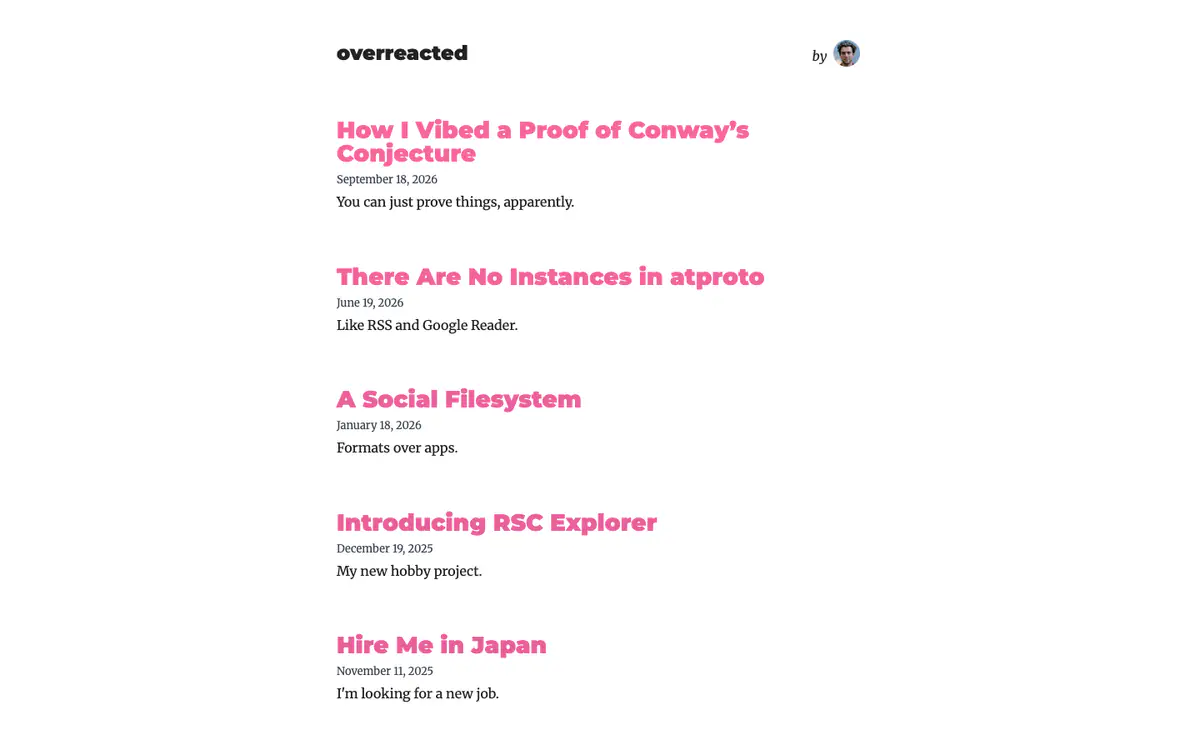
Tech & developer
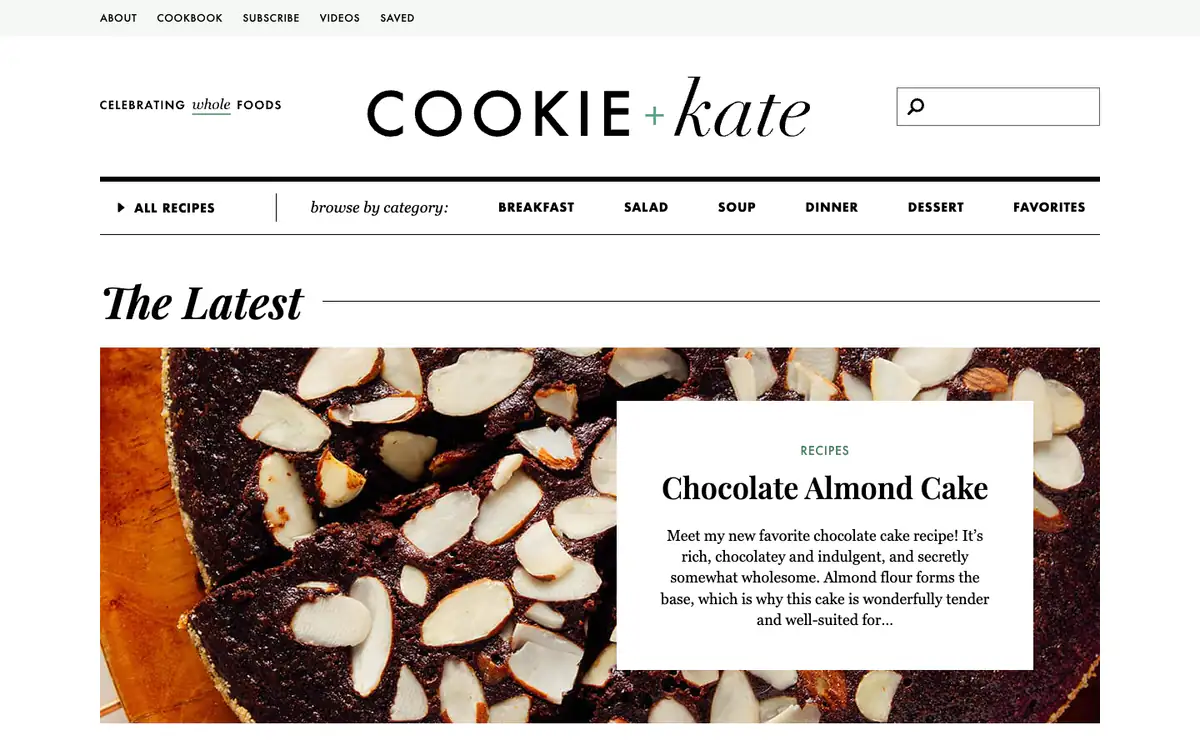
Food
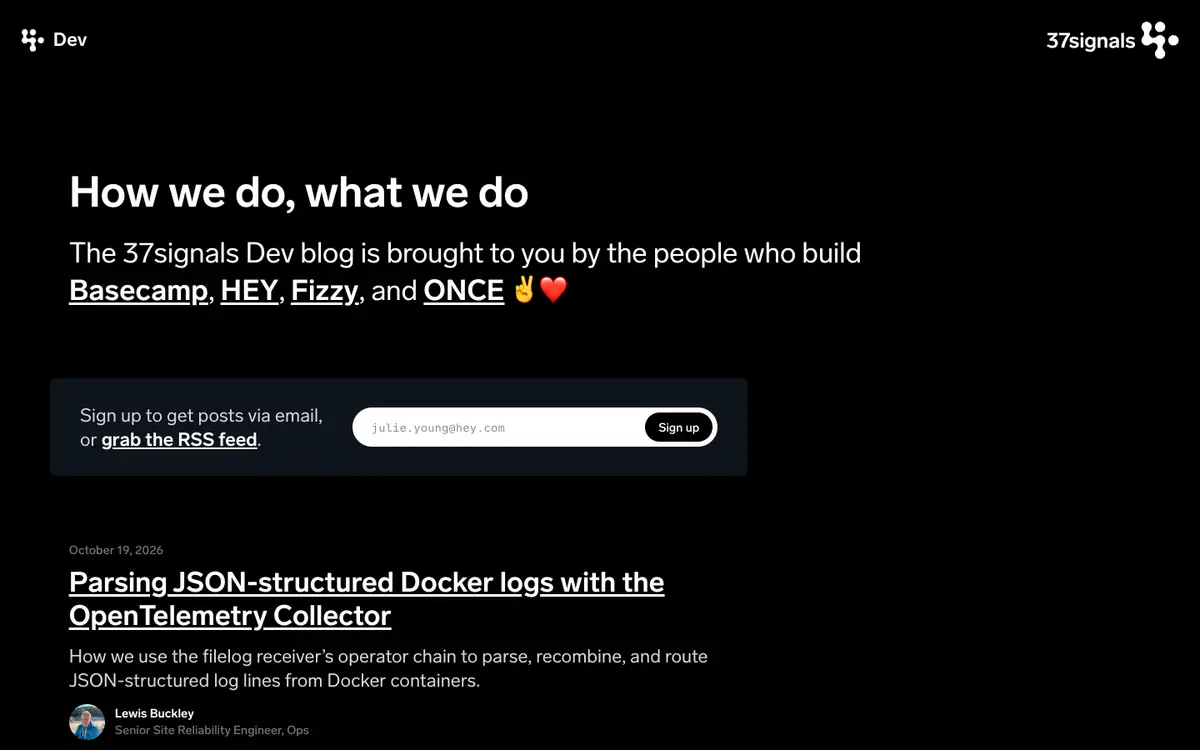
Business & SaaS
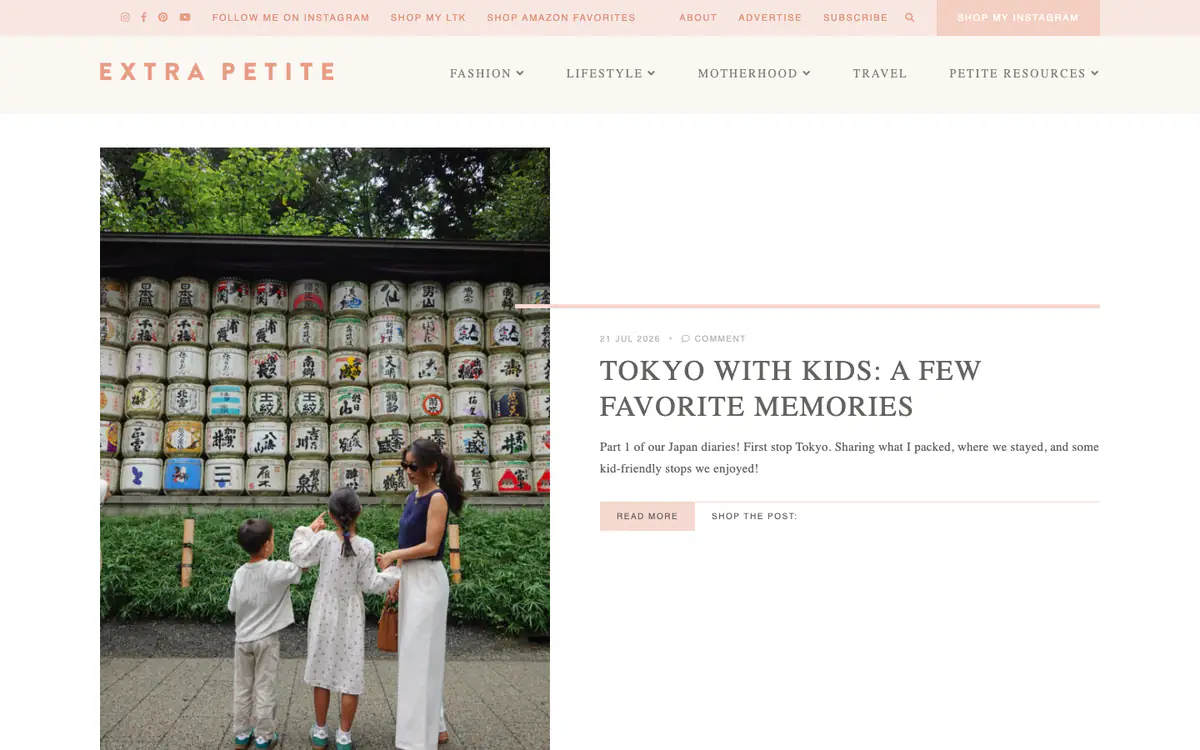
Fashion & beauty
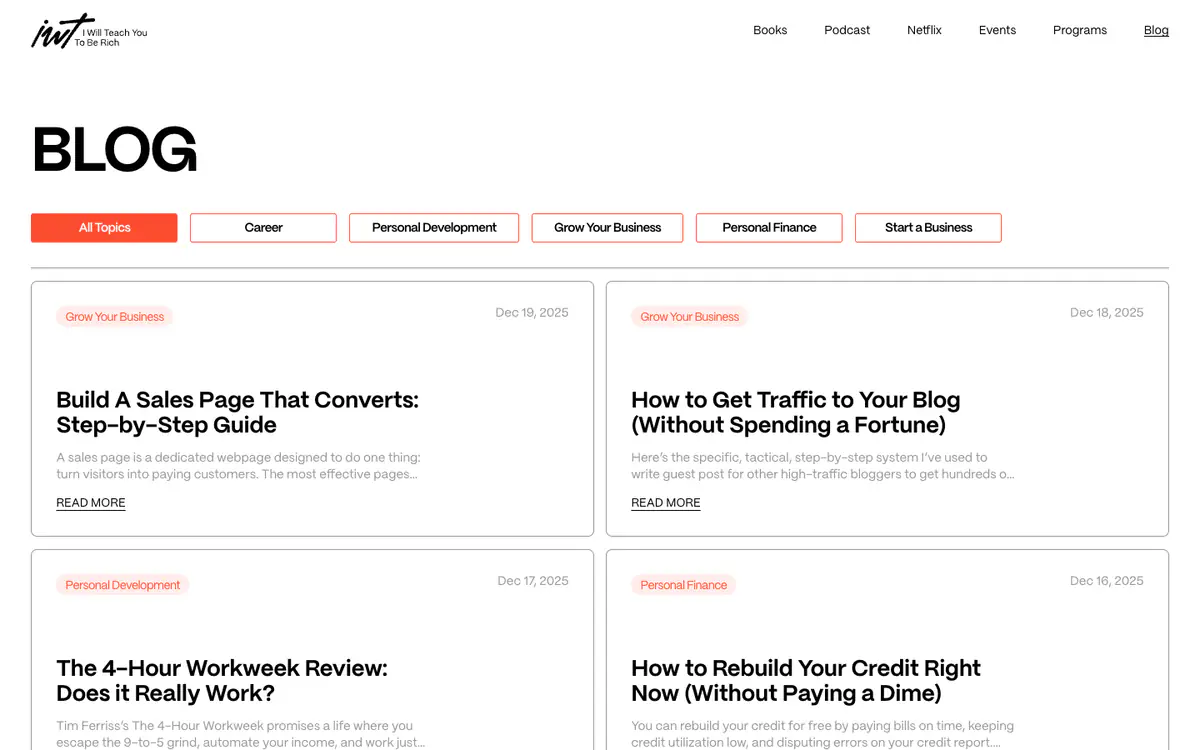
Personal finance
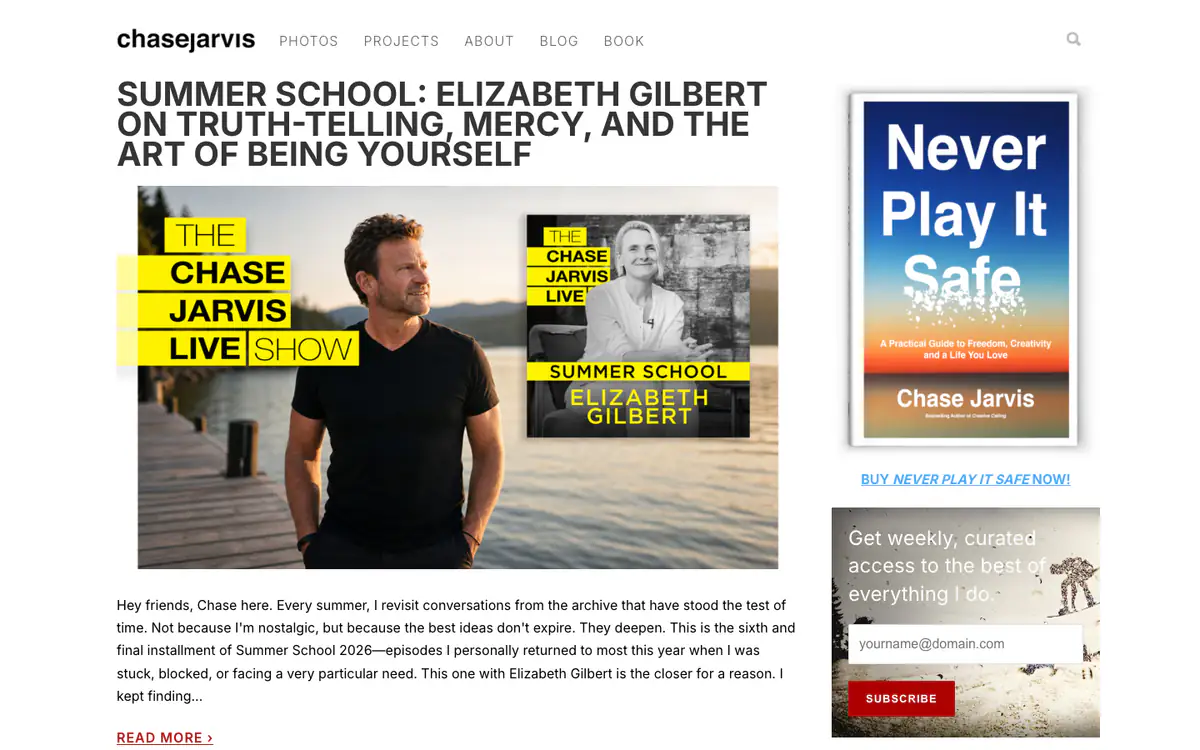
Photography
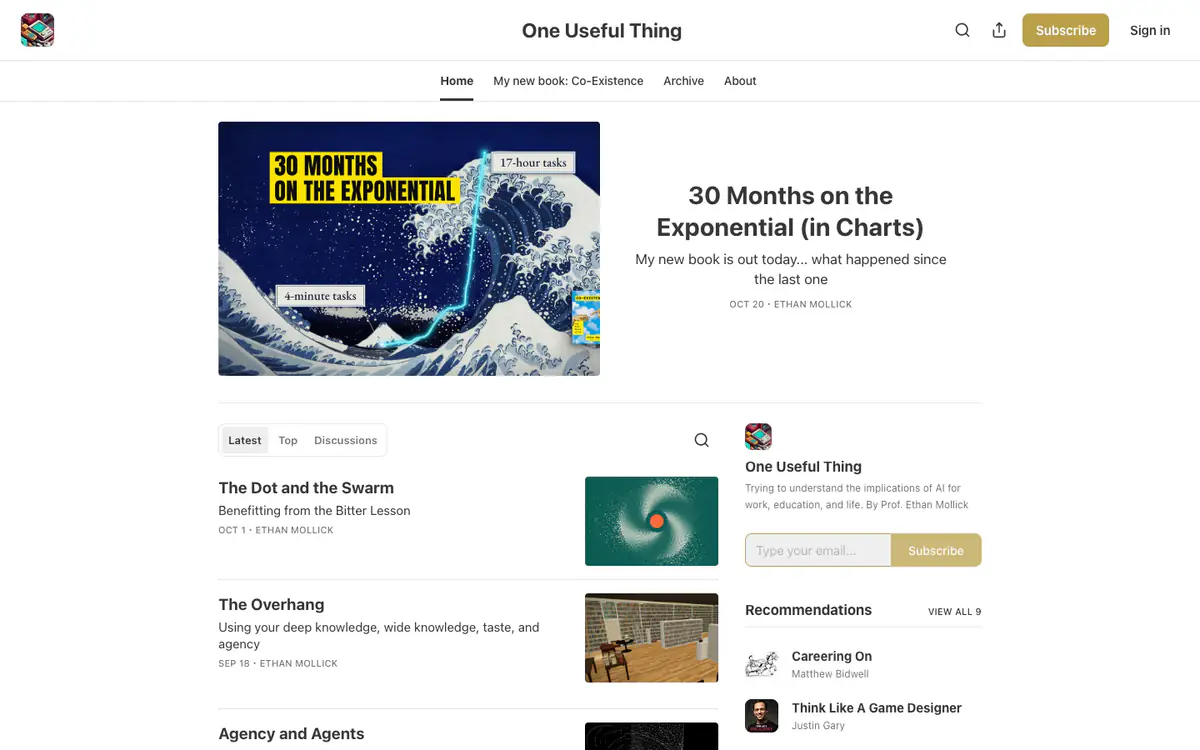
Student & academic
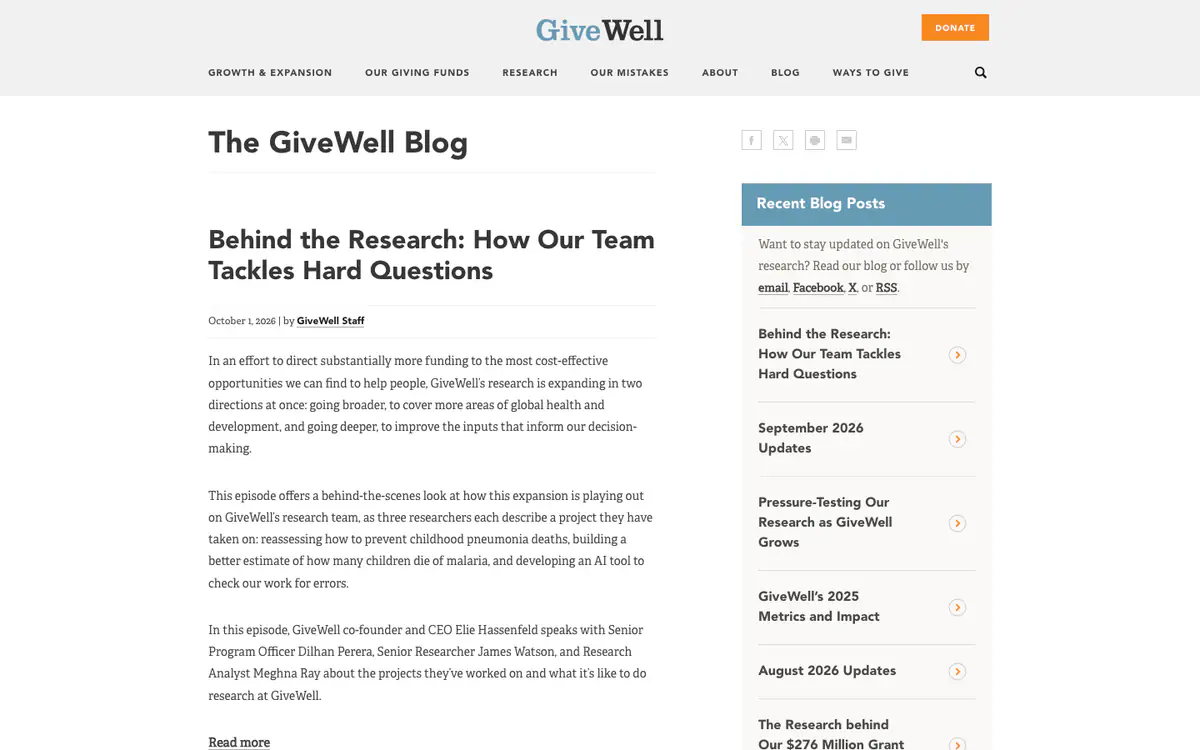
Nonprofit
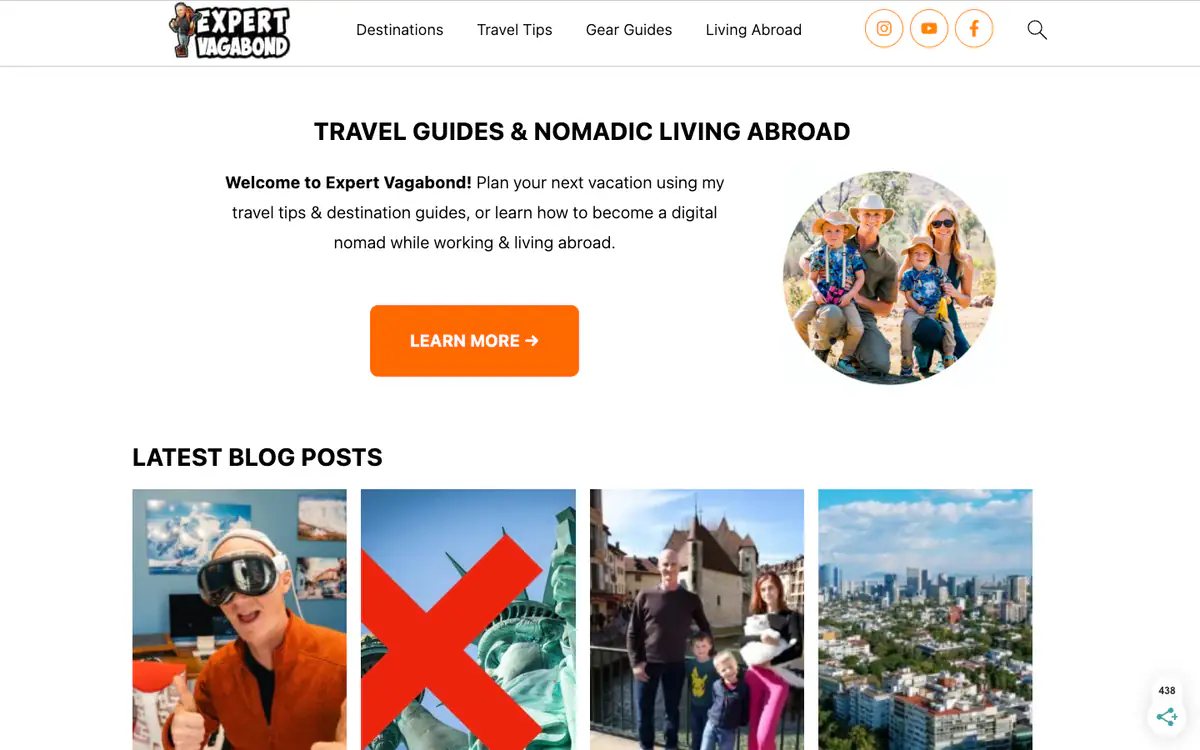
Travel
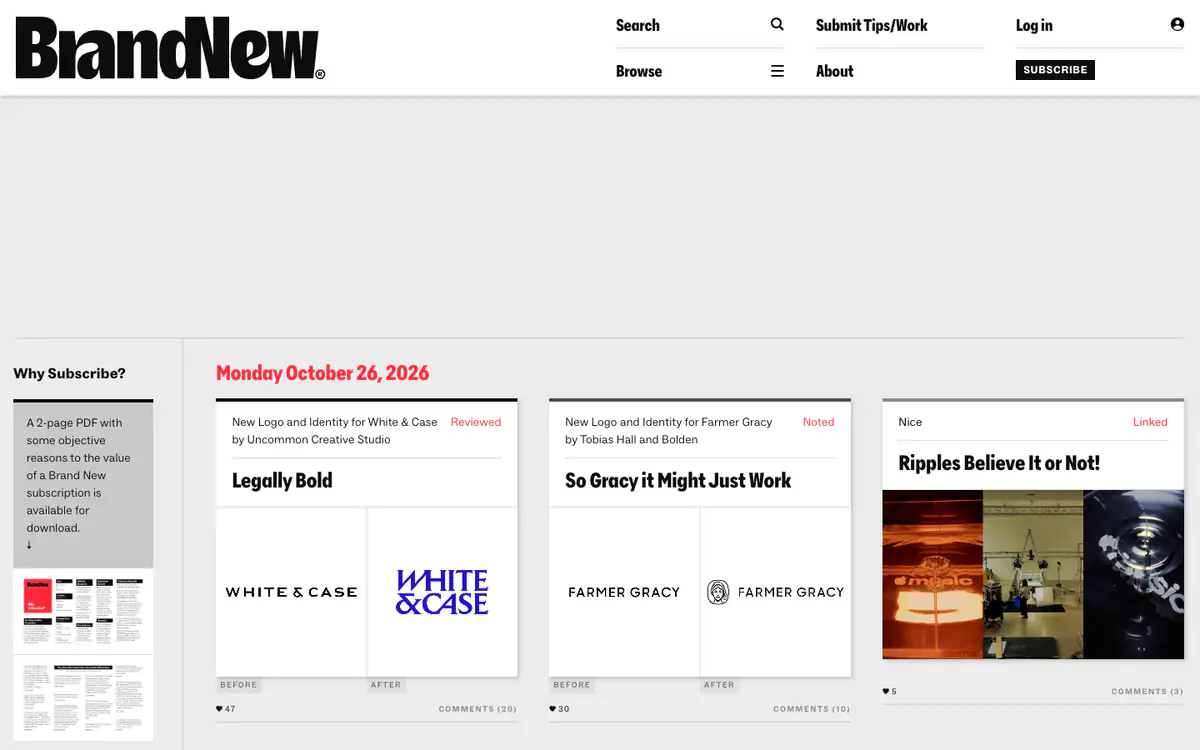
Design
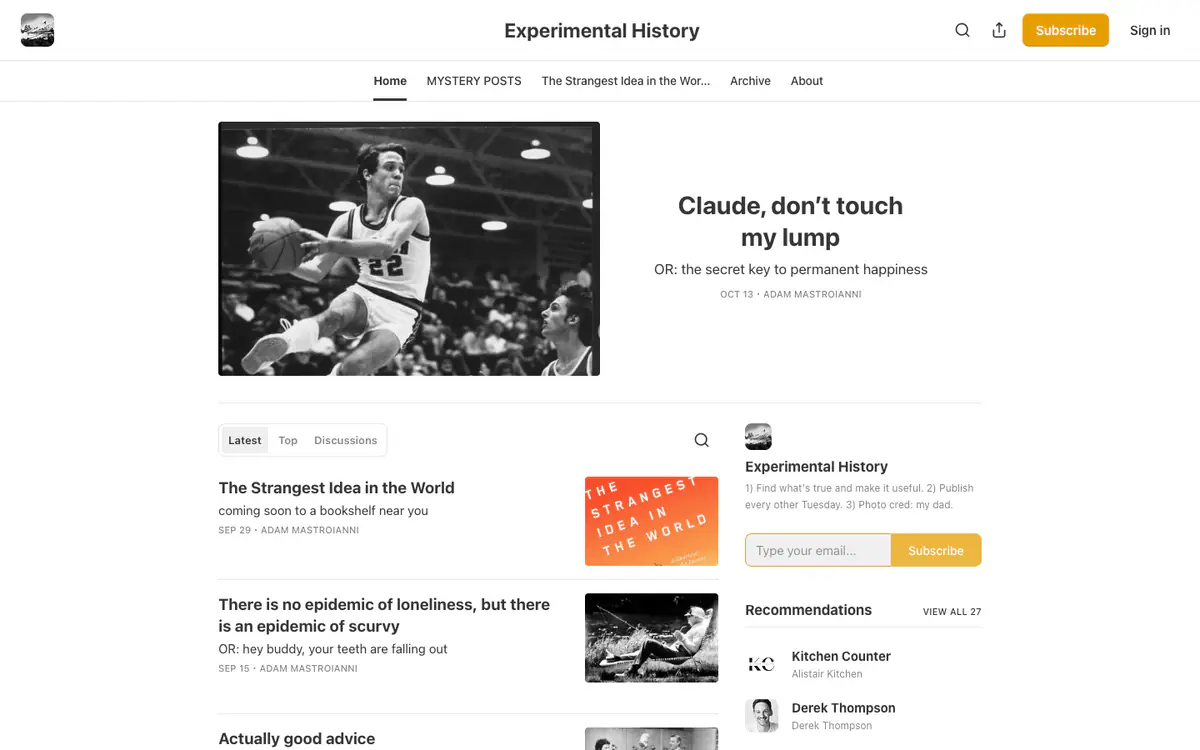
Newsletters
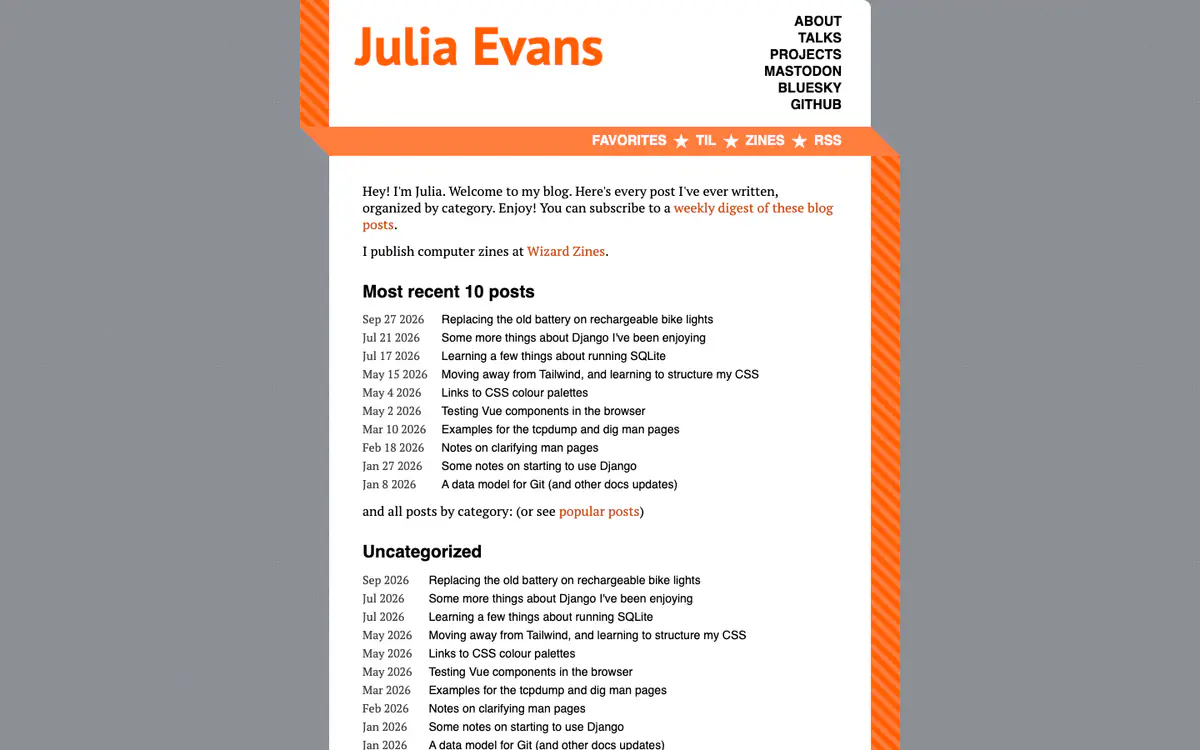
Tech & developer
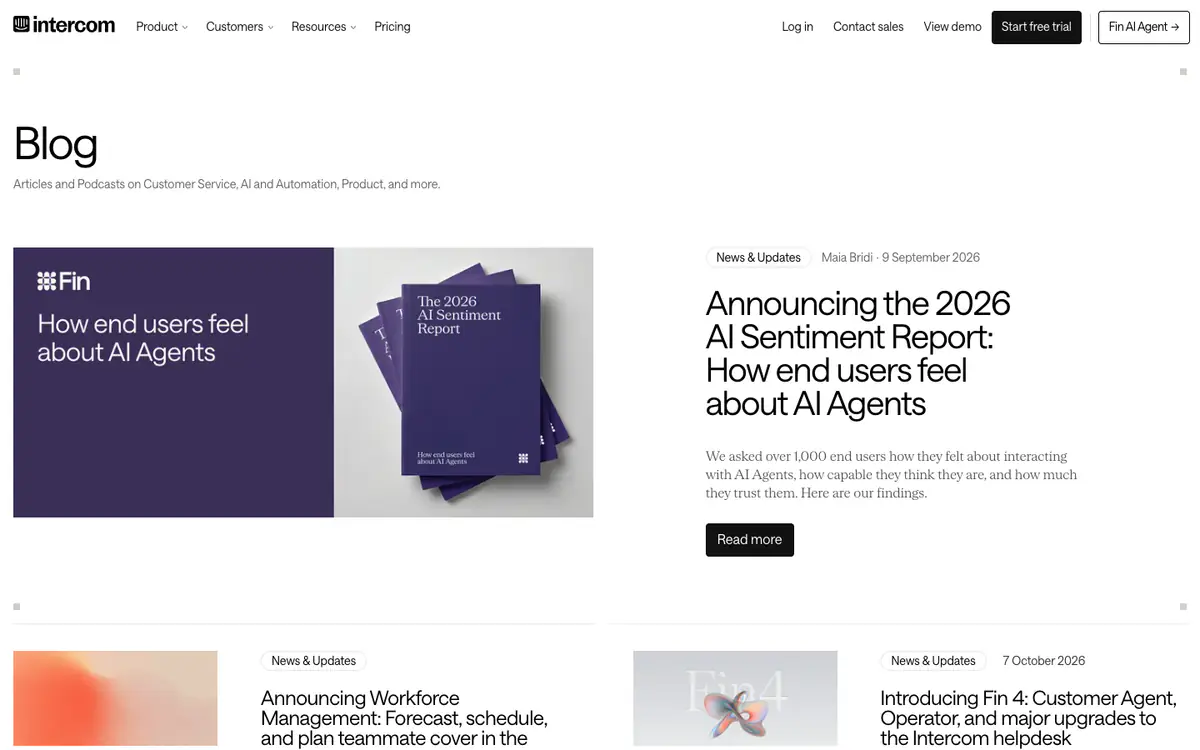
Business & SaaS
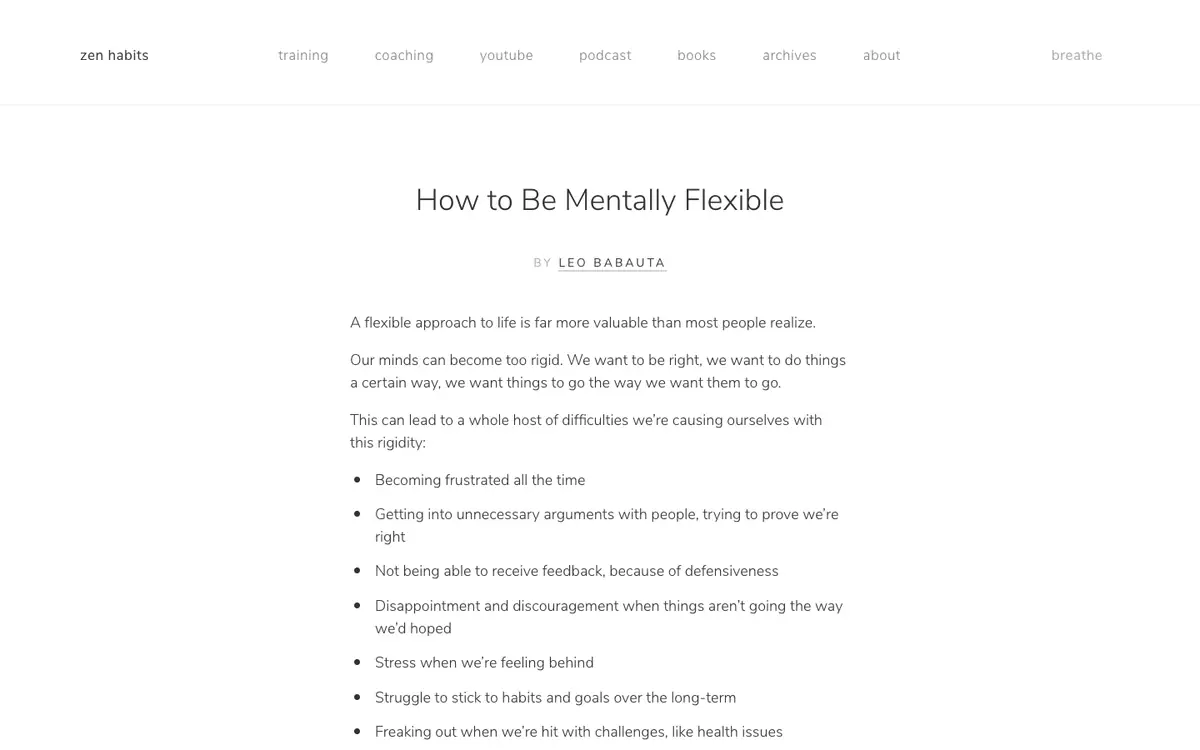
Personal & lifestyle
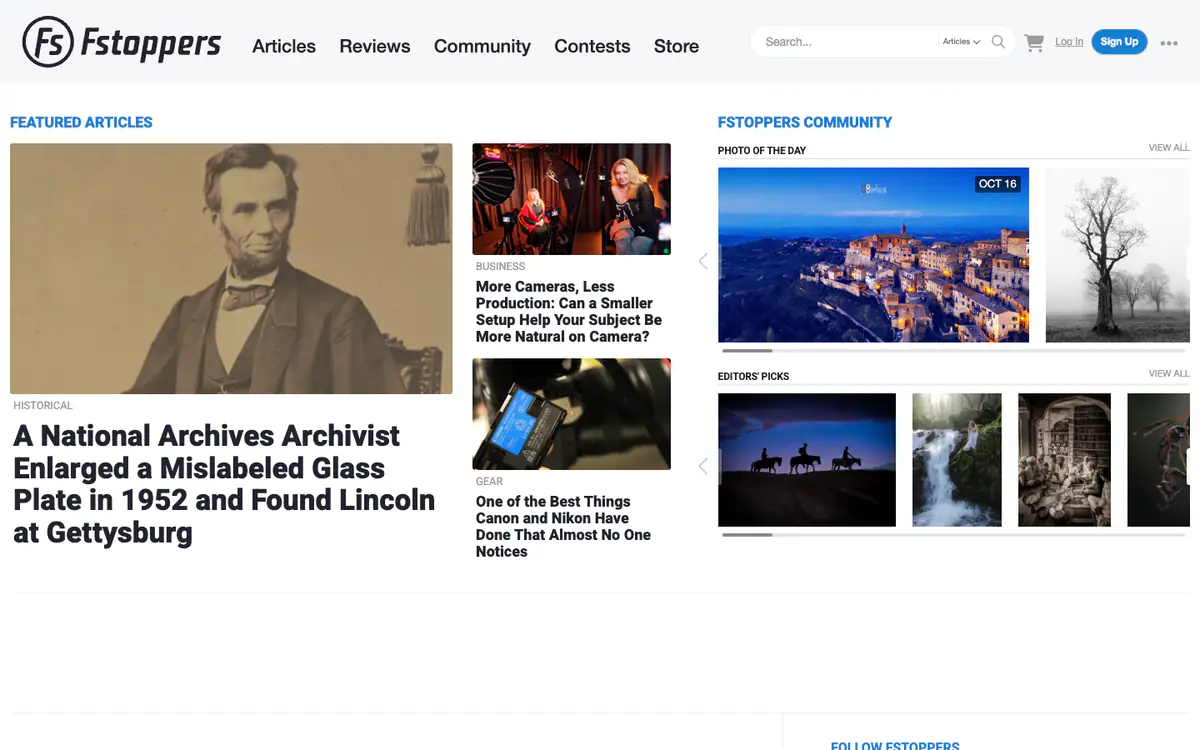
Photography
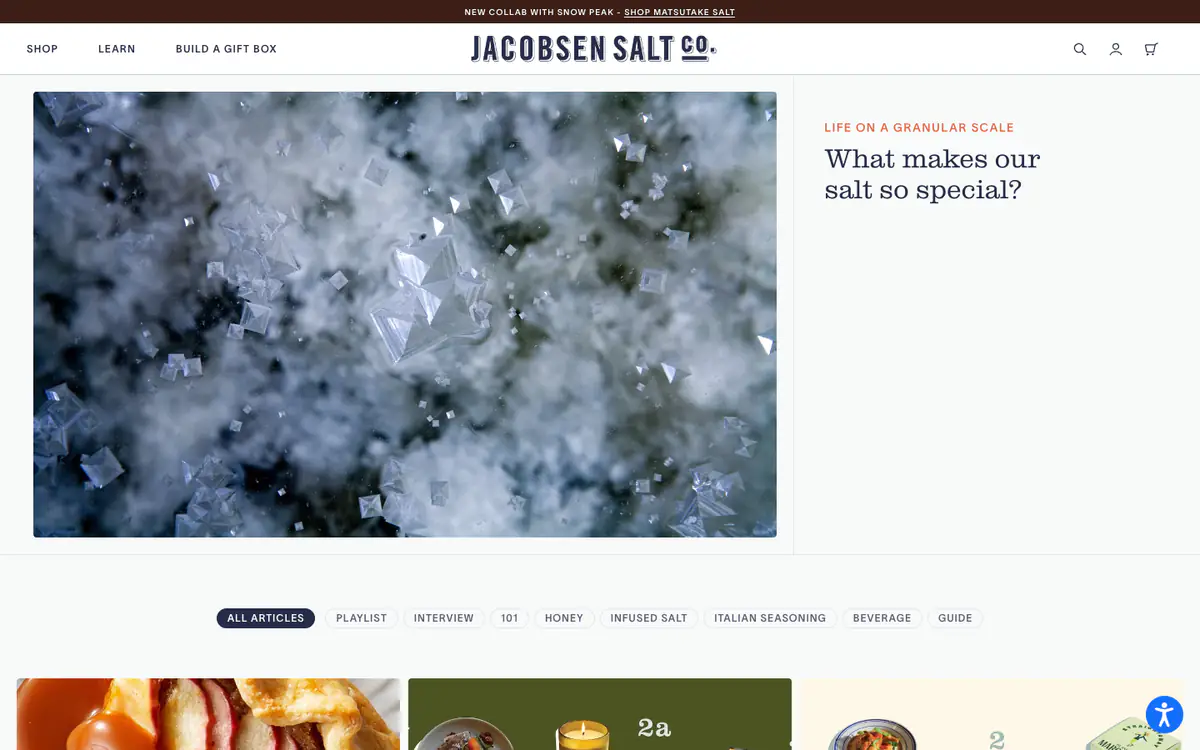
Small business
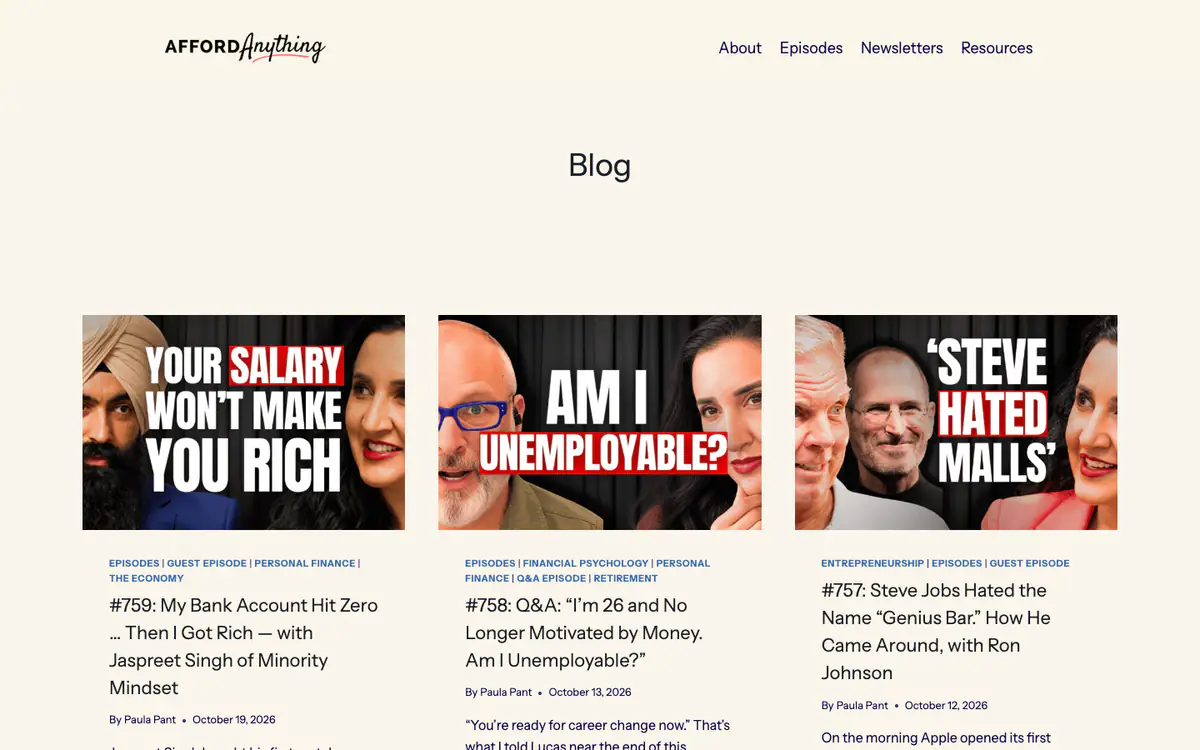
Personal finance
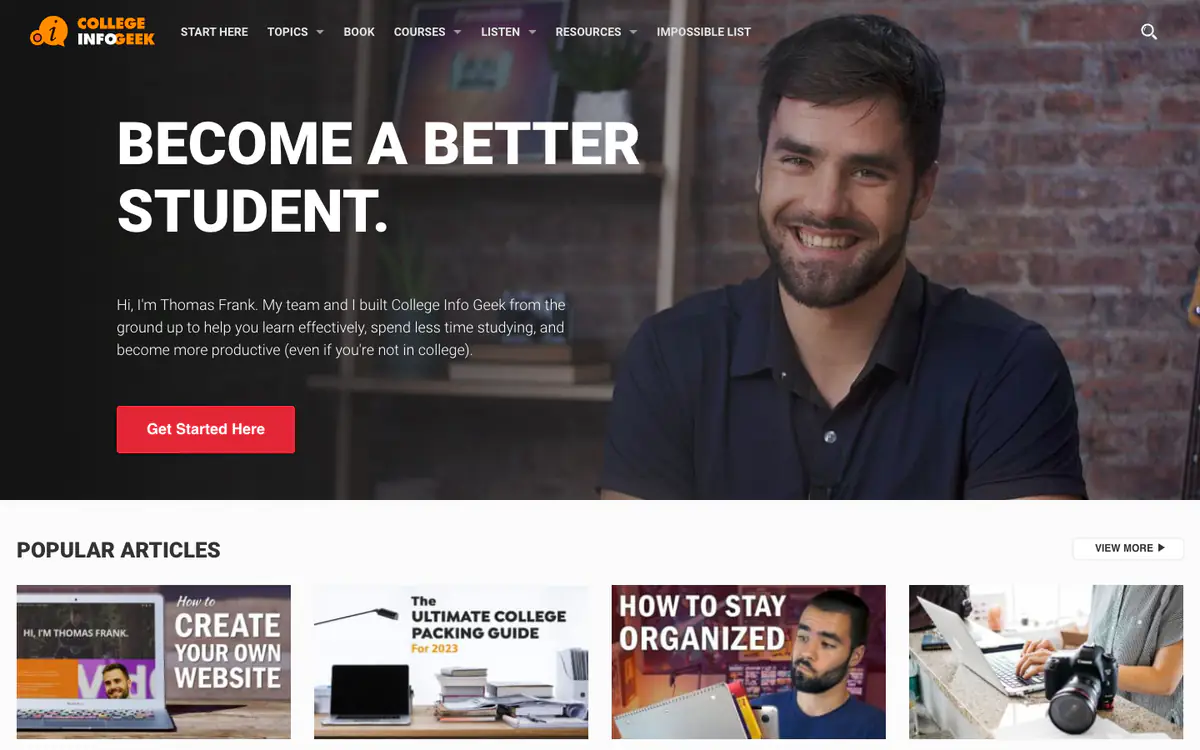
Student & academic
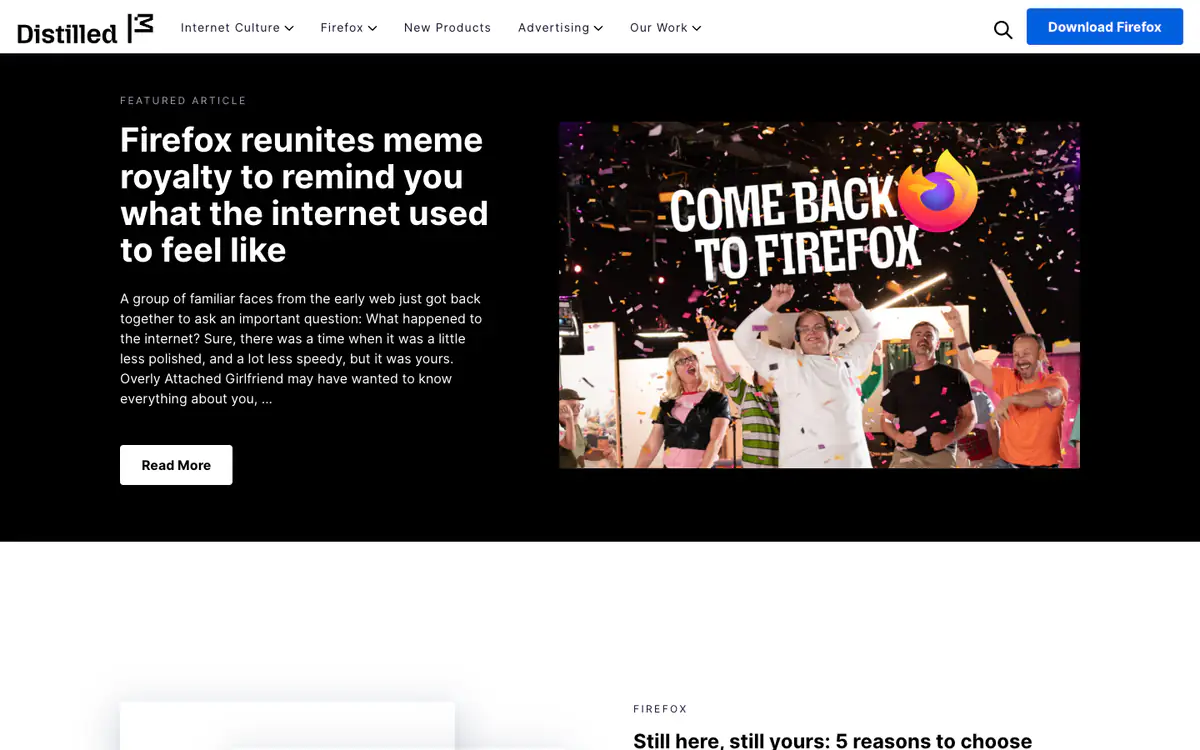
Nonprofit
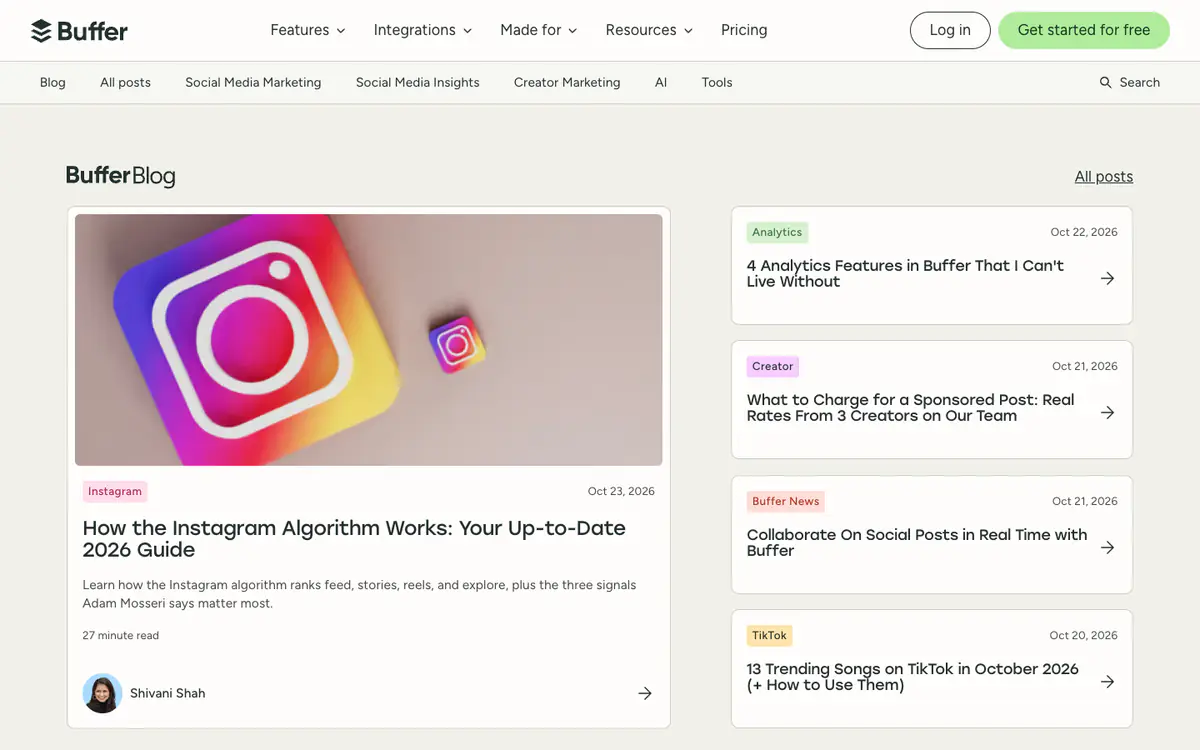
Business & SaaS
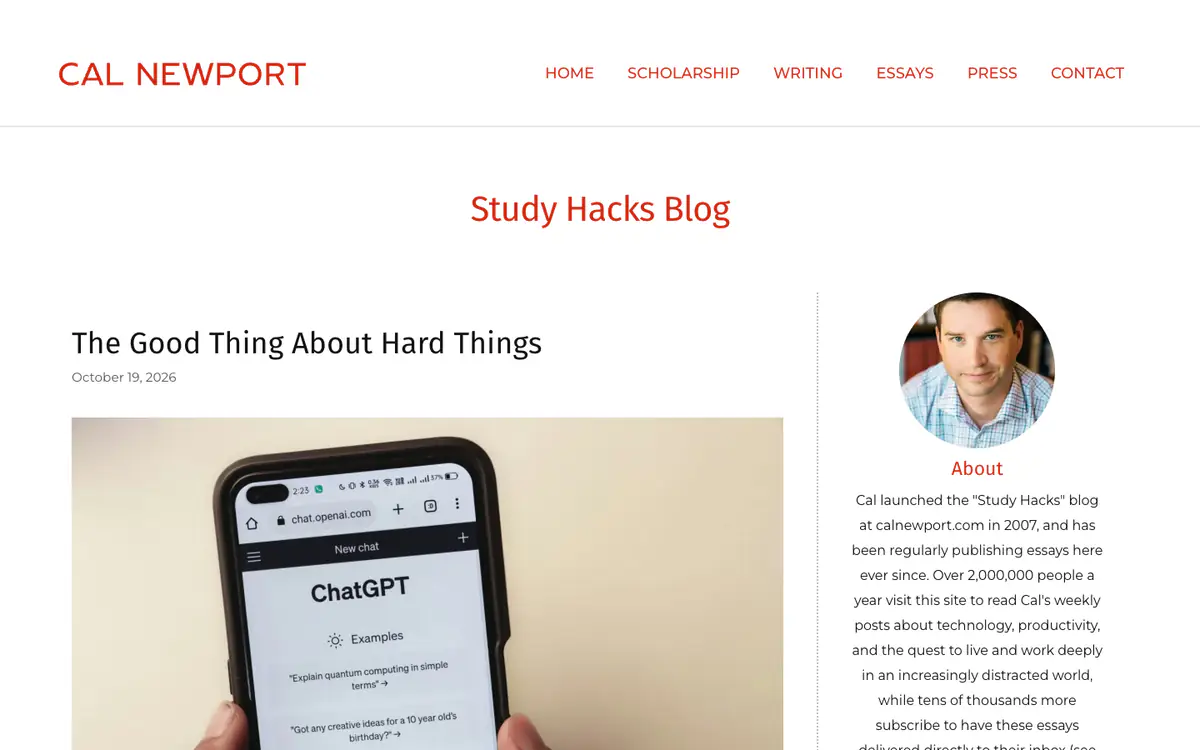
Student & academic
Small business
Post formats
A blog is the site. A blog post is one article on it. Here are eight common post formats, each with a headline you could write today, the structure to follow and a real post to study.
Teaches one task from start to finish.
Example headlineHow to Repot a Houseplant Without Killing It (6 Steps)
Structure
Best for: Searches that start with “how to”. The most reliable source of Google traffic for a new blog.
Rounds up options, ideas or tips under one number.
Example headline11 Free Tools Every Freelance Designer Should Bookmark
Structure
Best for: Searches with “best”, “ideas” or “examples” in them, and posts people save to read later.
Proves an idea works with one real result.
Example headlineHow a Local Bakery Doubled Online Orders in 90 Days
Structure
Best for: Business blogs. A number in the headline earns clicks and links from people who quote it.
Argues for one clear point of view.
Example headlineWhy Small Teams Should Stop Holding Weekly Status Meetings
Structure
Best for: Building a voice people follow. These posts get shared and argued about, which brings links.
Lets someone else’s expertise carry the post.
Example headlineInside a 70-Year-Old Pasta Shop: 9 Questions for Maria Russo
Structure
Best for: Filling a calendar with fresh ideas. Guests often share the post with their own audience.
Helps a reader pick between two options.
Example headlineNotion vs. Obsidian: Which Note App Fits How You Think?
Structure
Best for: Readers close to a decision. “X vs Y” searches are small but convert well.
Shares what changed and why it matters.
Example headlineWe’re Opening a Second Shop in Portland on March 3
Structure
Best for: Launches, events and updates. Short, dated and easy to link from a newsletter.
Turns something that happened to you into a lesson.
Example headlineI Quit My Job to Grow Flowers. Here Is Year One in Numbers.
Structure
Best for: About pages, newsletters and personal blogs. The post readers remember you by.
Anatomy of a great blog
Click a number on the mockup, or a part in the list, to see what it does and how to get it right.
The 20-minute weeknight pasta we make every week
By Maya Lin · 6 min read
Hi, I’m Maya
I cook, garden and write about slow weeknights at home.
More about me →Browse by topic
One recipe every Friday
Free. Unsubscribe in one click.
A header that shows what the blog covers
Readers decide in seconds whether a blog is for them. Topic links in the menu answer that faster than any tagline.
Keep five to seven links, named after your topics, plus search and one button.
One big story at the top
A single featured post with a large photo gives the page a focal point. A grid of equal cards makes every post look the same.
Feature your best post, not your newest one, and change it when something better comes along.
A face and a one-line bio
People read people. A photo and a sentence on who writes the blog builds trust before anyone reads a post.
Write the bio for the reader: who you help and what they get, not your life story.
Categories that work as a menu
Category pages let readers dig into one topic, and they give Google a clear map of what you write about.
Start with three to six categories. Merge any category that has fewer than five posts.
One clear next step
Every post should ask for one thing: subscribe, download, book or buy. Two buttons that compete split the reader’s attention.
Match the ask to the post. A how-to guide pairs with a checklist, a case study with a demo.
Outrank Blogs · Free plan
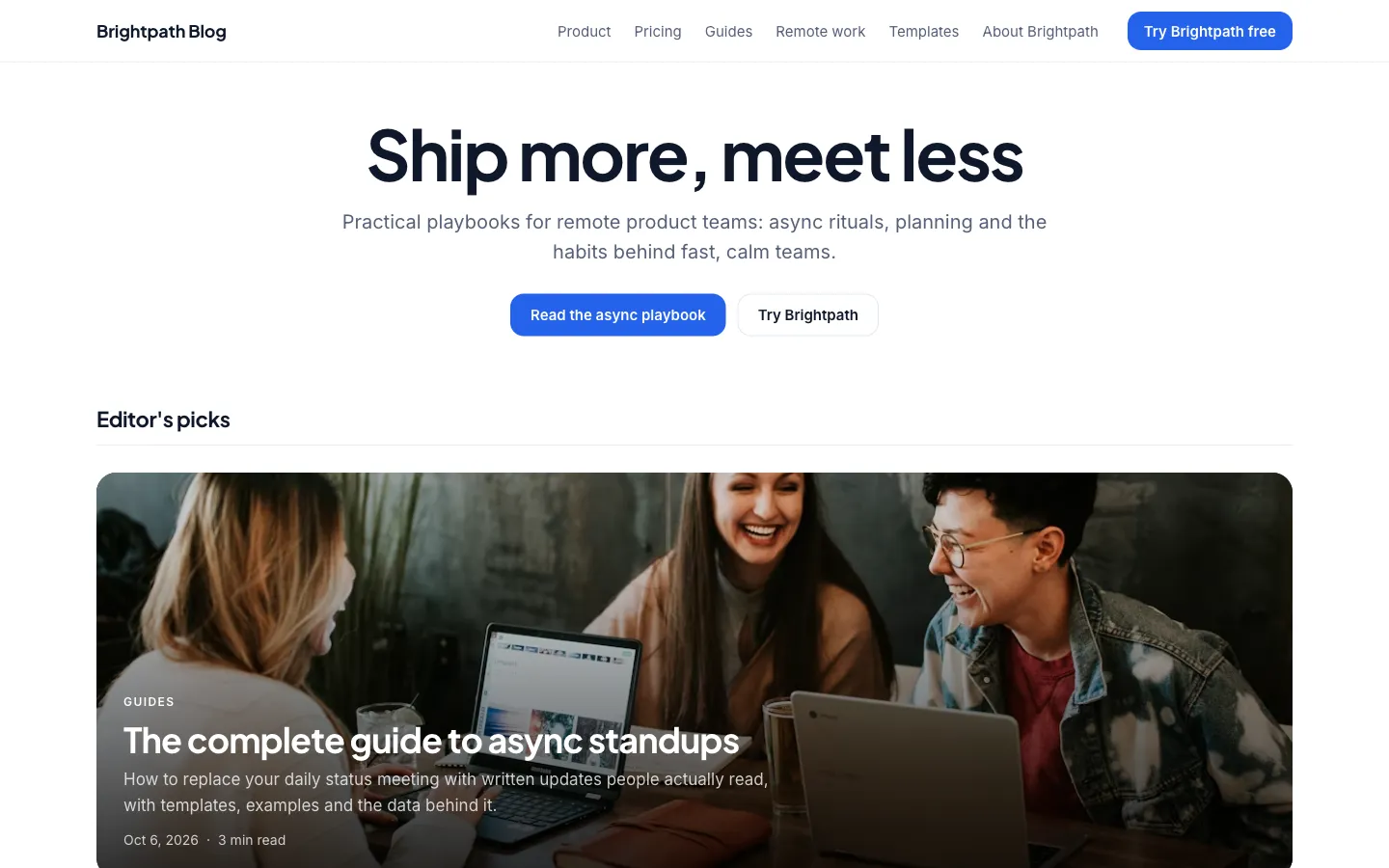
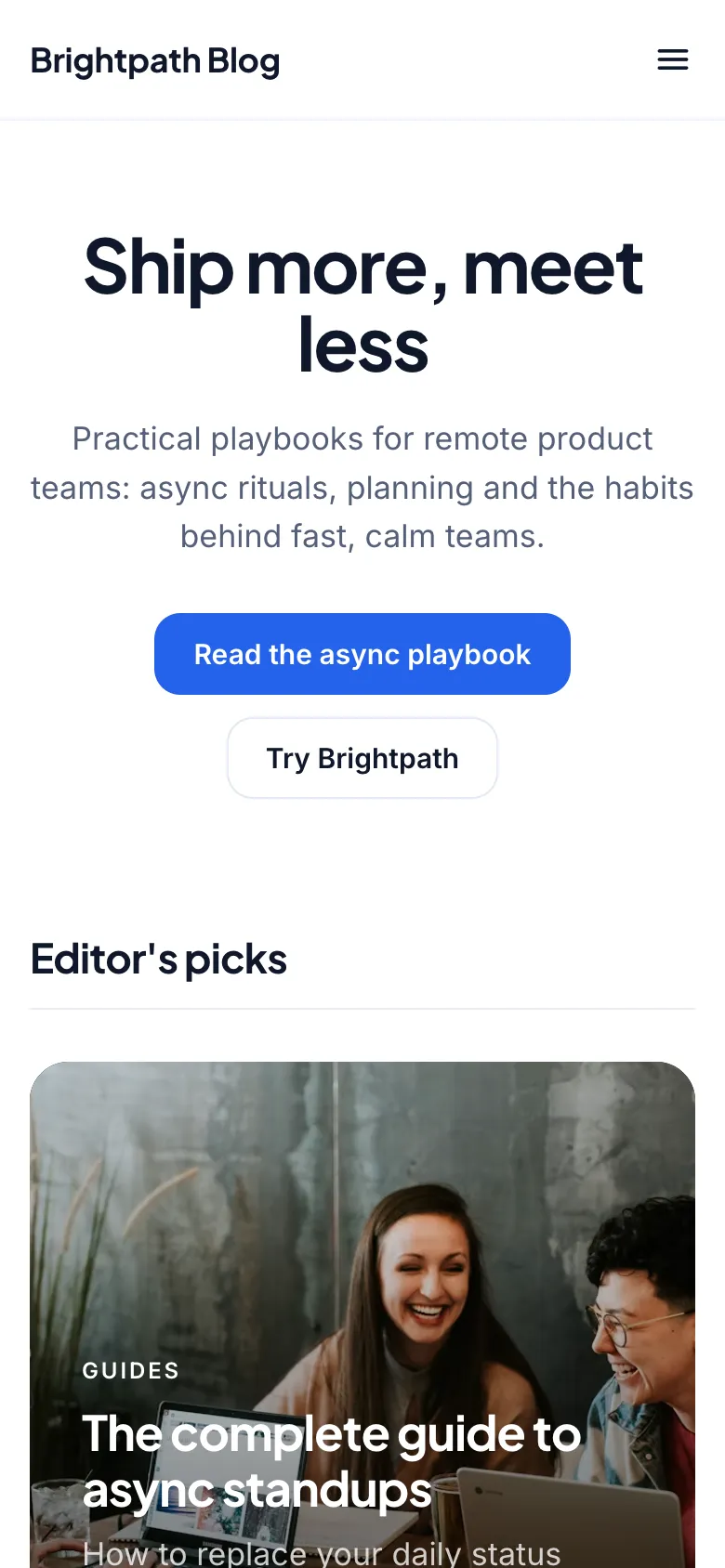
Outrank Blogs gives you a fast, good-looking blog in about a minute. Pick a template, make it yours and publish on your own domain.
FAQ
Short answers to what people ask most about blogs.